
Machine route
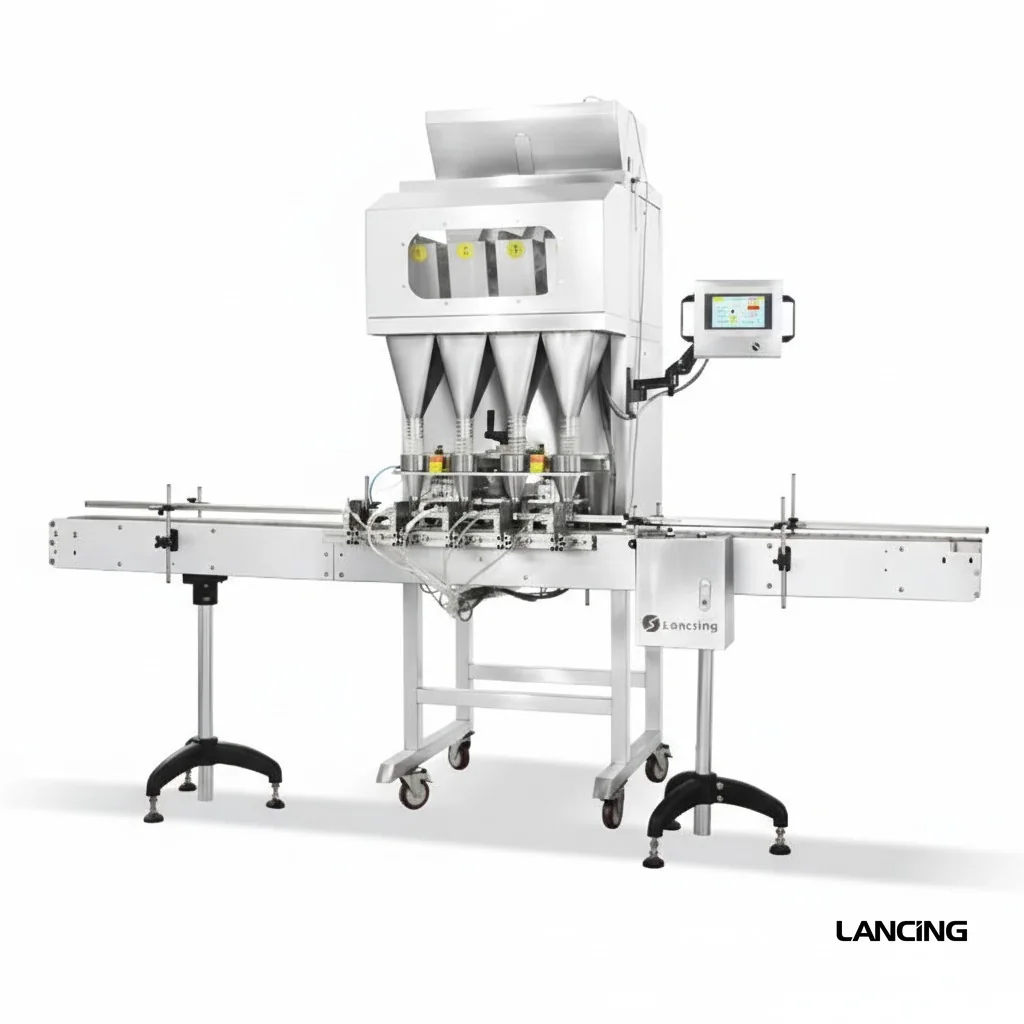
Linear weigh fillers
For free-flowing granules, beans, seeds, snacks and small components.
View route →Compare the main machine routes before shortlisting a weigh filler for powders, granules, coffee, snacks, pet food, chemicals or hardware.
The right weigh filler depends on product flow, target weight, tolerance, speed, pack format and how the machine connects into the rest of the packaging line.
For free-flowing granules, beans, seeds, snacks and small components.
View route →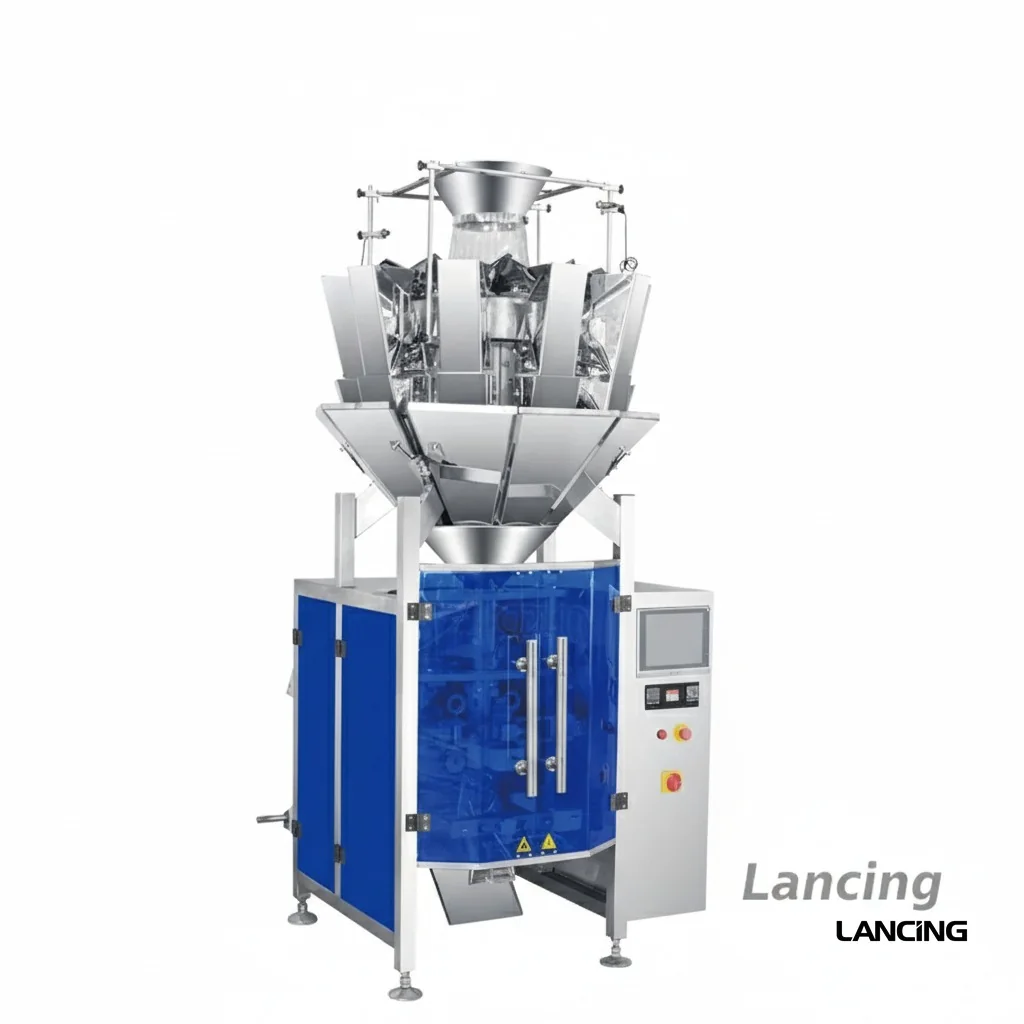
For higher-throughput portioning where speed, accuracy and pack presentation matter.
View route →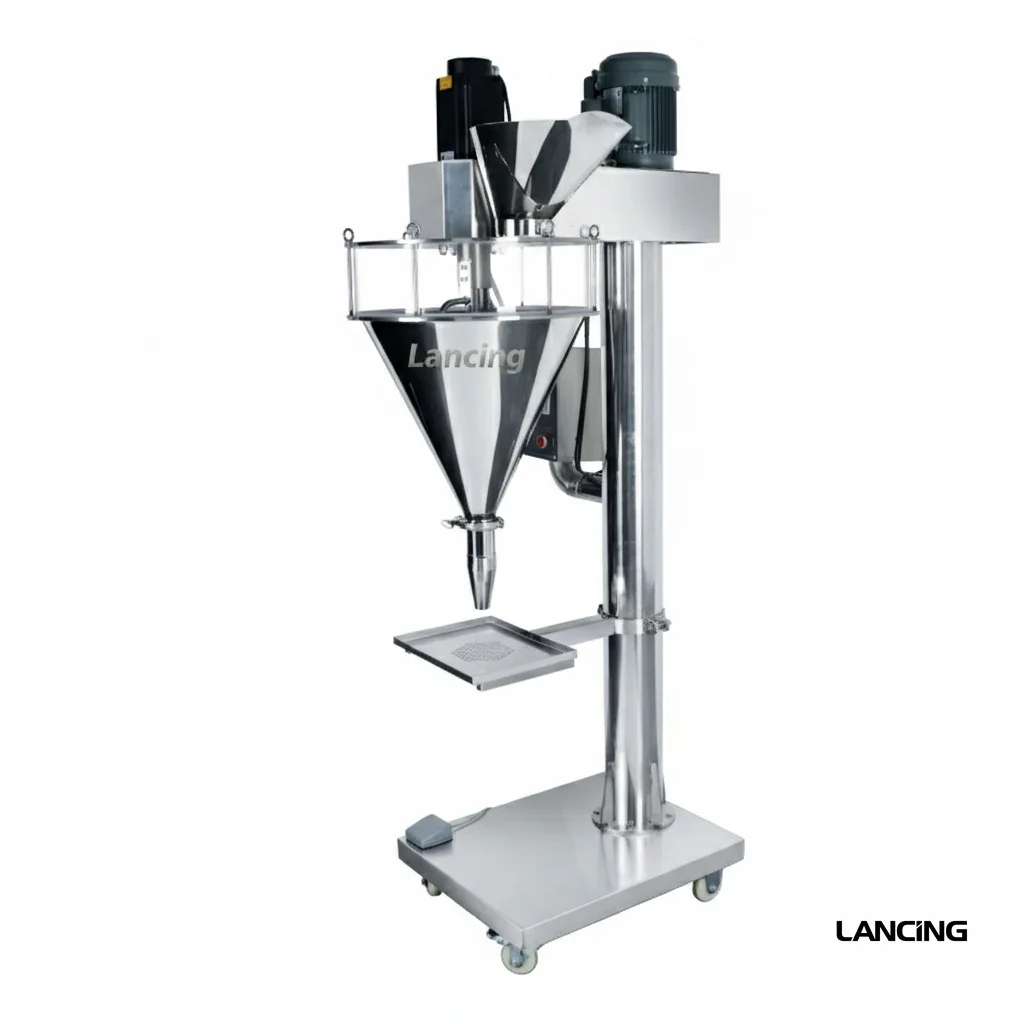
For powders, dry blends and products that need controlled screw dosing.
View route →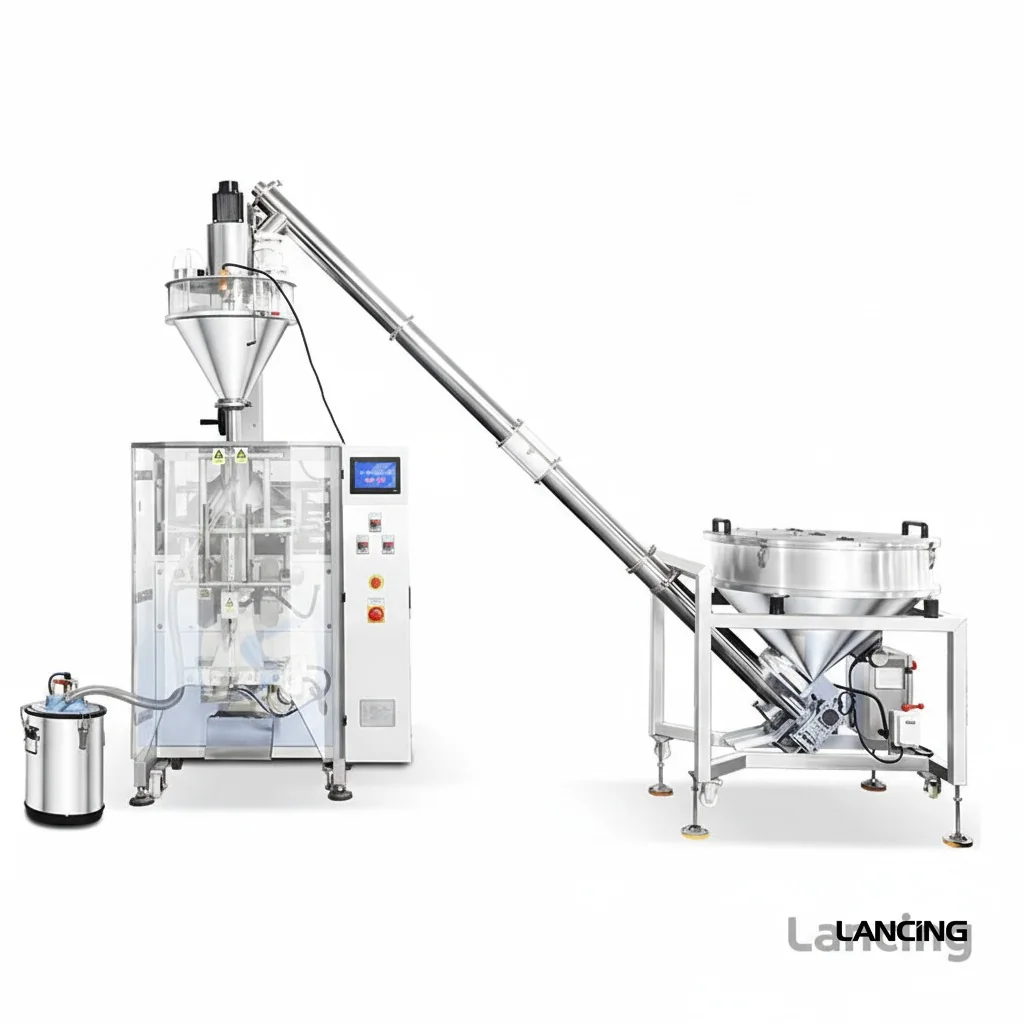
For roll-film bagging lines that form, fill and seal in one connected process.
View route →| Machine route | Best starting point | Typical products | Key questions |
|---|---|---|---|
| Linear weigh filler | Compact weight filling for free-flowing products. | Beans, seeds, granules, rice, tea, small parts. | Target weight, feed consistency, outlet height, operator loading. |
| Multihead combination weigher | Higher-speed weighing with combination selection. | Snacks, pet food, confectionery, frozen or irregular products. | Head count, product fragility, buckets, discharge and downstream machine. |
| Auger filler | Controlled screw dosing for powders and blends. | Spices, powders, additives, cleaning powders, dry mixes. | Dust, density, hopper agitation, fill weight and cut-off. |
| VFFS weigh filling line | Roll-film bagging with weighing, filling and sealing in one line. | Coffee, grains, powders, granules, snacks and pet food. | Bag size, film, coding, sealing, checkweighing and line footprint. |
Different products need different dosing principles, feed systems and discharge layouts. Comparing the main routes first helps you avoid choosing a machine before the product, pack and output target have been checked.
That gives Lancing enough information to compare a linear weigher, multihead weigher, auger filler or integrated bagging line.
A machine route should be compared on the same product, target weight and finished-pack basis. Head count, hopper size or a headline speed is not enough on its own.
| Route | Strong starting point | Main limitations to test | Pack and line interface | Evidence required before acceptance |
|---|---|---|---|---|
| Linear or vibratory weigher | Free-flowing granules, beans, seeds, pellets and many small components. | Bridging, static, fines, inconsistent bulk density, feeder carry-over and slow trim feed. | Operator-presented bags or containers, bag clamps, conveyors, premade pouch machines or VFFS discharge. | Consecutive fill distribution, hopper-level effect, output with real pack handling and clean-down observation. |
| Multihead combination weigher | Irregular pieces and higher-output projects where several weigh heads can combine portions to reach target. | Fragility, sticking, product distribution across heads, drop height, bucket volume and product-in-seal risk. | VFFS baggers, premade pouch systems, trays, jars or other receiving equipment with timed discharge. | Head utilisation, mean and standard deviation, piece damage, rejects, line timing and output at the agreed target. |
| Semi-automatic weigh/depositor | Shorter runs, varied products or packs, and projects where an operator presents each pack. | Operator cycle, bag support, ergonomics, refill frequency and consistency of pack positioning. | Bench, stand or conveyor-fed arrangement with manual or assisted pack presentation. | Real operator trial, sustained output rather than a short burst, changeover time and net-weight distribution. |
| Auger with weight verification | Fine or less free-flowing powders where screw dosing is more controllable than open vibration. | Bulk-density change, screw/tooling choice, agitation, dust, product retention and cross-contamination. | Jars, tubs, bottles, pouches or VFFS. Detailed auger selection belongs on the specialist Lancing powder sites. | Product trial across the smallest and largest dose, cleaning review and separate verification of weight control. |
| VFFS weigh filling line | Automatic bags formed from roll film with the weigher synchronised to forming, filling and sealing. | Film, former, bag length, product drop, seal contamination, coding, jaw timing and finished-pack discharge. | Ready/busy and discharge signals between weigher and bagger, plus checkweigher or reject control downstream. | Full-line run with production film, representative product, finished bags and an agreed acceptance protocol. |
The LU-999 reference specification covers 10–999 g with a vibratory weighing route, an approximately 280 × 280 × 270 mm hopper, a stated 6–15 bags/minute and approximately ±2 g, all dependent on material, target weight and pack handling.
The LU-GFKL420 reference is a ten-head VFFS configuration covering 10–2500 g, quoted for 500 g to 1 kg bags, with approximately 1.3 L per head. Its 5–60 bags/minute and approximately ≤0.3–1 g references are conditional on product, target, bag size, film, former and trials.
Each model page separates the supplied reference figures from the product, pack and test conditions needed before a final machine can be approved.
Compare compact operator-presented routes across the verified 10–999 g and 20–3000 g reference ranges.
Review a dual-head semi-automatic route and a ten-head VFFS line, including pack handling, controls and acceptance evidence.
Use consecutive weights, sustained finished-pack output and an agreed trial matrix before final approval.
The machine category should follow the product and production evidence rather than the other way round.
Eliminate any route that cannot feed the product repeatably, contain the required dose volume or discharge cleanly into the real pack. Speed comparisons only become useful after those basic physical conditions are satisfied.
Assess difficult product behaviourHead count changes the number of simultaneous weighing or combination opportunities available, but it does not by itself prove output or accuracy. Product distribution, target weight, hopper volume, controls and discharge timing determine whether the extra heads are useful.
Review multihead weighingA small dose may need finer feed resolution while a large dose may need more hopper volume or another discharge route. The pack mouth, support method and closure process can also change the practical machine configuration.
Plan multiple products and packsLinear, vibratory, multihead, auger-assisted and VFFS routes should be compared against the product and pack evidence rather than by category name alone.
Upstream feeding can change the right machine route because hopper level, refill timing, aeration and segregation affect the weighing cycle. The selected filler should be tested with the intended feed method where possible.
Plan upstream feedingUse production-quality packs or drawings showing opening size, usable fill height, material stiffness and closure method. The discharge path should be matched to the pack, not only to the target weight.
Prepare pack samplesDiscuss spares against the product path, cleaning method, operating hours and changeover schedule. A multi-product line may need different support planning from a single-product line.
Plan change parts and spares