
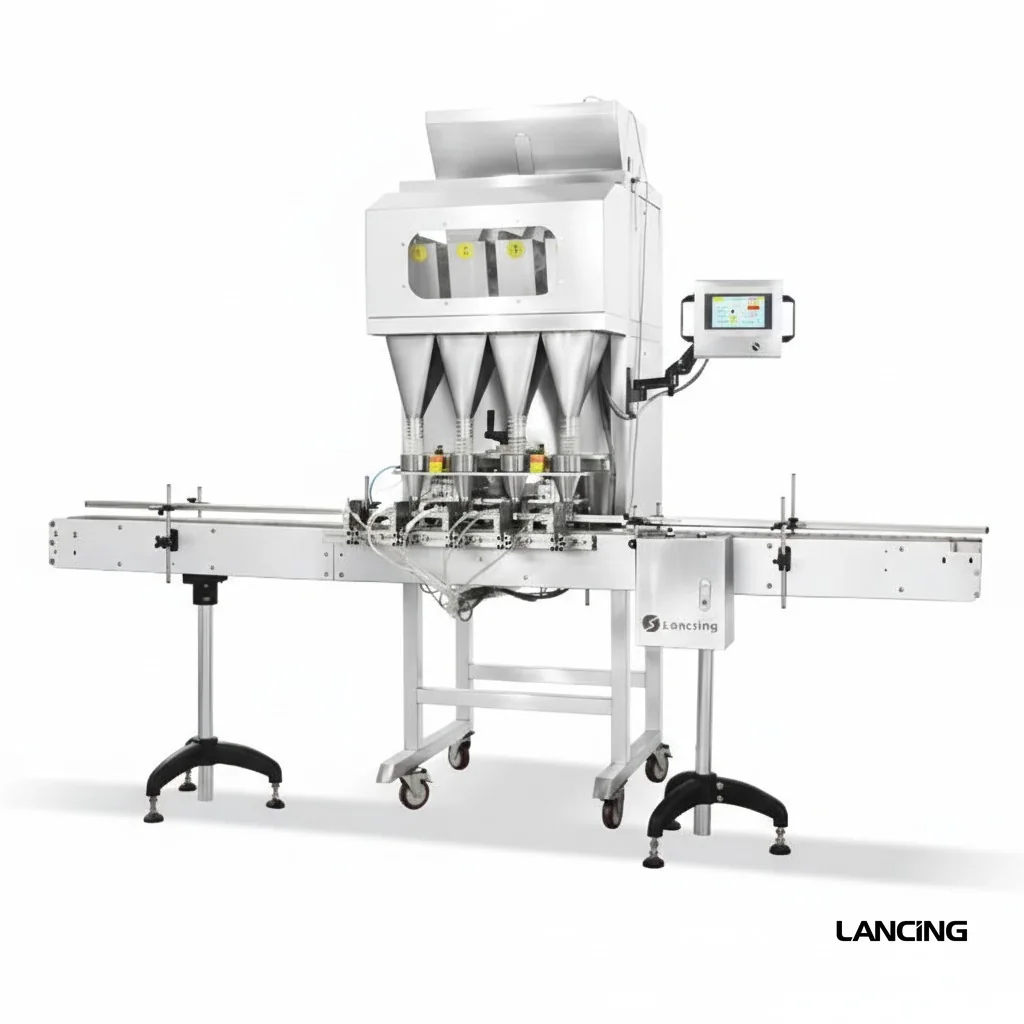
Machine route
Linear weigh fillers
For free-flowing granules, beans, seeds, snacks and small components.
View route →Compare dosing, weighing, dust control, pack handling and downstream closing as one route before selecting a machine.
Start with your product and finished pack. Lancing compares product behaviour, target weight, pack handling and output so the machine shortlist is practical from the start.
A good recommendation balances product behaviour, target fill weight, pack handling, closure or seal method, throughput and how much operator involvement is acceptable.
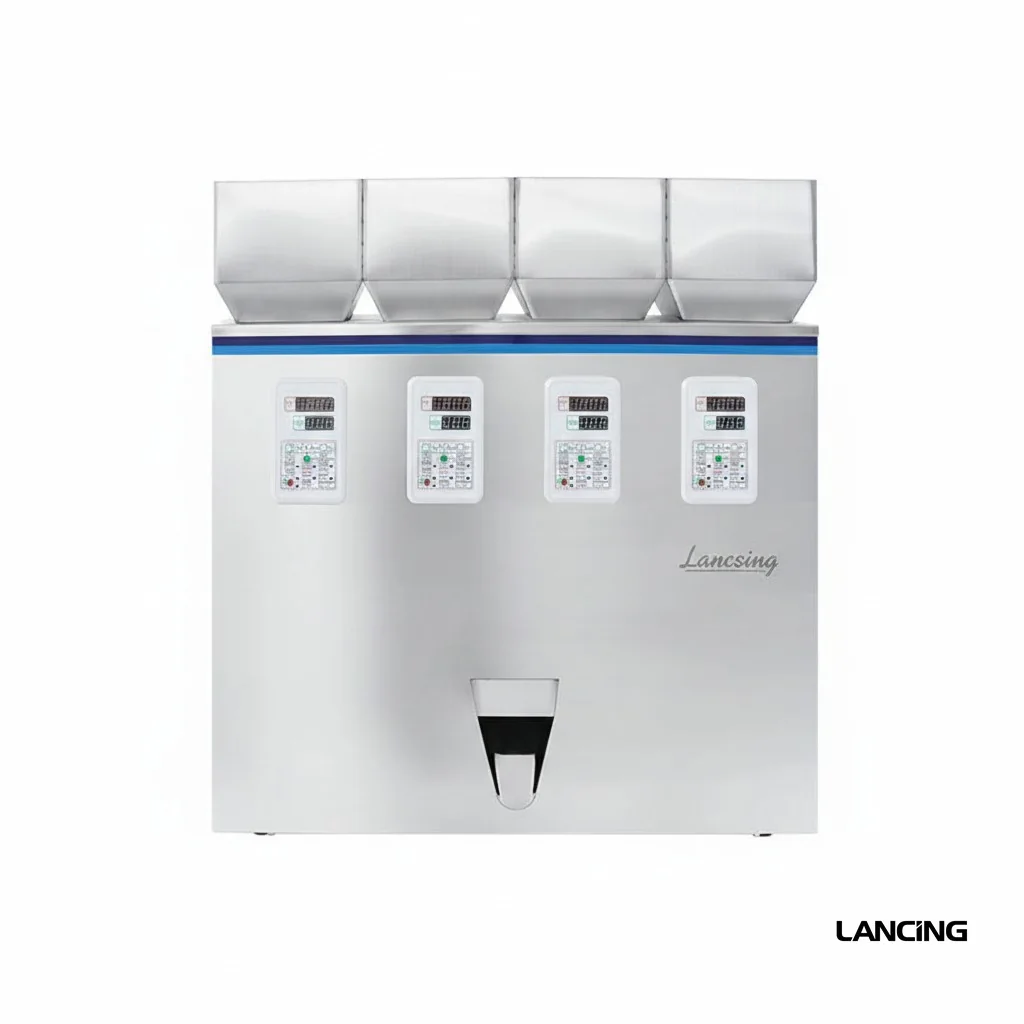
Use these options to narrow down the right machine for your product, pack and production target.
For free-flowing granules, beans, seeds, snacks and small components.
View route →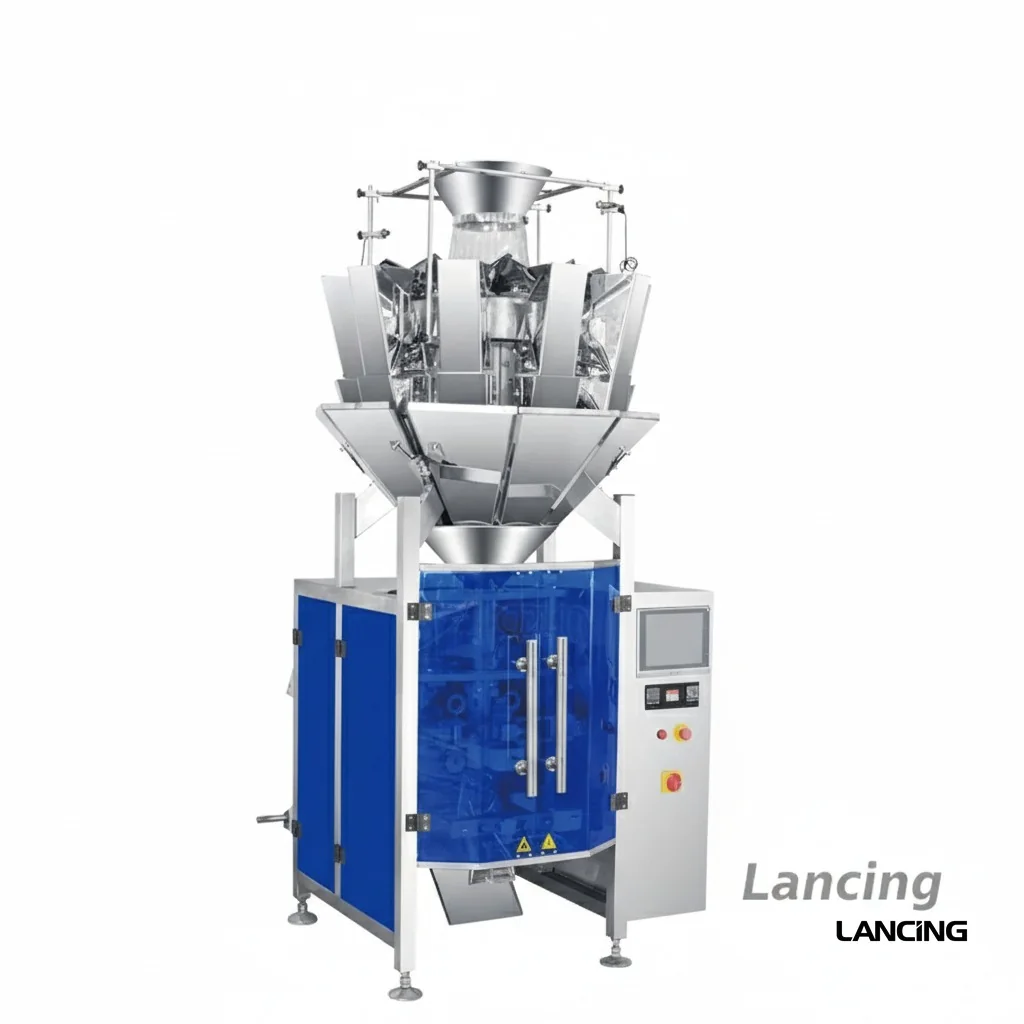
For higher-throughput portioning where speed, accuracy and pack presentation matter.
View route →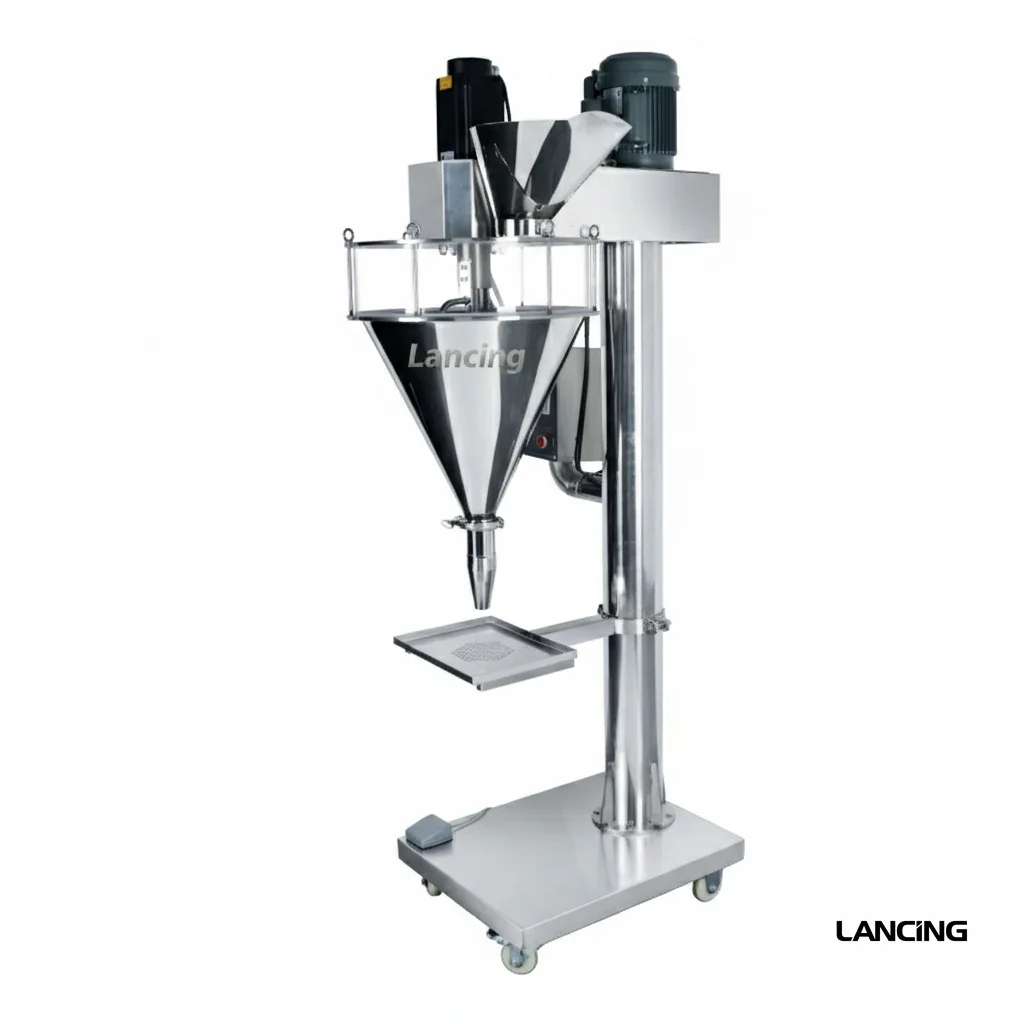
For powders, dry blends and products that need controlled screw dosing.
View route →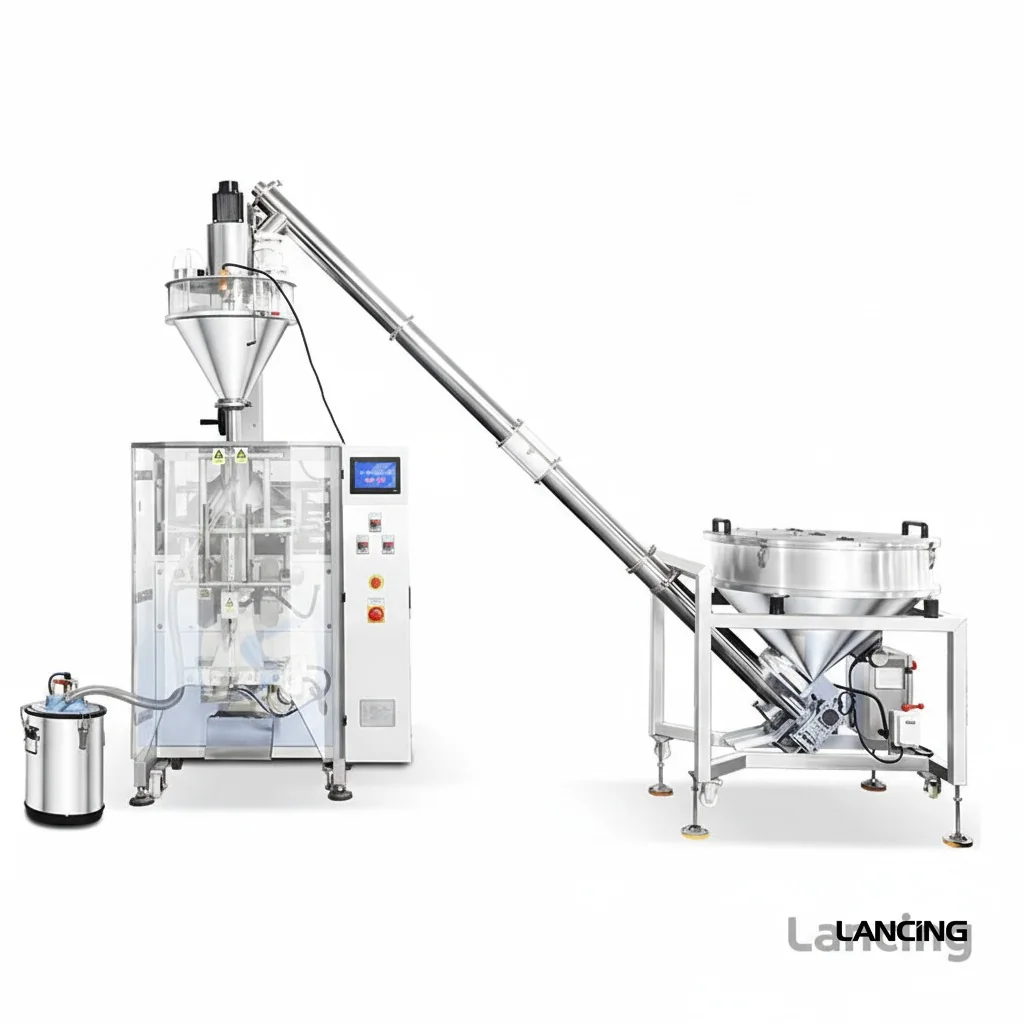
For roll-film bagging lines that form, fill and seal in one connected process.
View route →| Factor | Why it matters | Useful enquiry detail |
|---|---|---|
| Product behaviour | Determines whether weighing, auger dosing or hybrid feeding is suitable. | Flowability, dust, particle size, fragility, density and product sample availability. |
| Target fill | Changes hopper size, dosing principle, accuracy expectation and output. | Minimum and maximum fill weights plus acceptable tolerance. |
| Pack format | Controls discharge height, filling mouth, closure, sealing and downstream equipment. | Pouch, bag, jar, tub, bottle, box or existing machine interface. |
| Automation level | Defines operator workflow, speed, footprint and integration requirements. | Semi-automatic, compact automatic, full line or staged upgrade route. |
Straight answers to help you choose the right filling route before requesting advice.
Many fine powders and dry blends should be compared against auger filling first, especially where controlled screw dosing and dust management matter.
Free-flowing granules can often be compared through linear weighing or multihead combination weighing depending on speed, accuracy and pack size.
Yes. Jars, pouches, tubs and bags all create different sealing, capping, coding and labelling requirements after filling.
Use these pages to compare product and pack-specific filling options.
That gives Lancing enough information to compare a linear weigher, multihead weigher, auger filler or integrated bagging line.
“Powder” and “granule” cover very different behaviours. A useful trial identifies how the product enters the feeder, how it settles in the weigh hopper or auger, and whether the discharge remains clean enough for the selected pack.
Seeds, beans, pellets and similar products may suit vibratory or combination weighing when they feed without bridging. Confirm particle breakage, static, fines and the effect of hopper level.
When open vibration does not meter the product consistently, controlled screw dosing may be more practical. Review bulk density, screw/tooling, agitation, dust and clean-down on Auger Fillers or Powder Fillers.
Blends can separate by particle size or density during transport and hopper refill. Sample the finished packs as well as the bulk material so weight control is not mistaken for blend-uniformity control.
Finished-pack performance also depends on pouch or bag presentation, product drop, dust near the seal, container stability, settling, closing and checkweighing. For roll-film bag production, use the detailed Form Fill & Seal route. For premade pouches, use Pouch Fillers.
Product names are not enough to select a dosing route; flow and handling evidence decide whether weighing is practical.
Aerated powder can settle, change apparent volume and alter the way it feeds during the run. The trial should reproduce the normal handling history and record whether the product condition changes after refill, vibration or waiting.
Plan refill conditionsSupplier, particle-size distribution, moisture, fines and processing can change flow, dust and bulk density even when the product label is unchanged. Representative samples and batch limits are more reliable than a generic material name.
Assess difficult product behaviourCompare an auger when a powder is cohesive, poorly flowing or needs a controlled screw-feed route. Compare weighing when the product can be fed repeatably by weight and density variation makes volumetric-only dosing less attractive.
Compare weigh and auger fillingPowders and granules can look simple in a sample bag but behave differently once they are loaded, fed, weighed and discharged repeatedly.
Yes. Powder flow should be tested before the final route is fixed because bridging, aeration, dust, static and refill behaviour can change accuracy and output. The test should include consecutive fills and the intended pack format.
Plan product-flow testingDust can affect product containment, cleaning access, extraction, operator exposure and risk assessment. If a dusty product may create a hazardous atmosphere, the buyer should supply SDS and site-assessment information.
Review dust and DSEAR planningRefill can compact, aerate or segregate powder. Hopper level and feed timing should be checked because the feeder may behave differently immediately after product has been loaded.
Plan hopper refill