
Normal batch plus known extremes.
Provide enough product for tuning, consecutive fills, hopper refill and a sustained run. Include known variation in piece size, fines, density or moisture where it affects flow.
A practical method for proving product flow, weight distribution, pack handling and complete-line output before a weigh filling machine is approved for production.
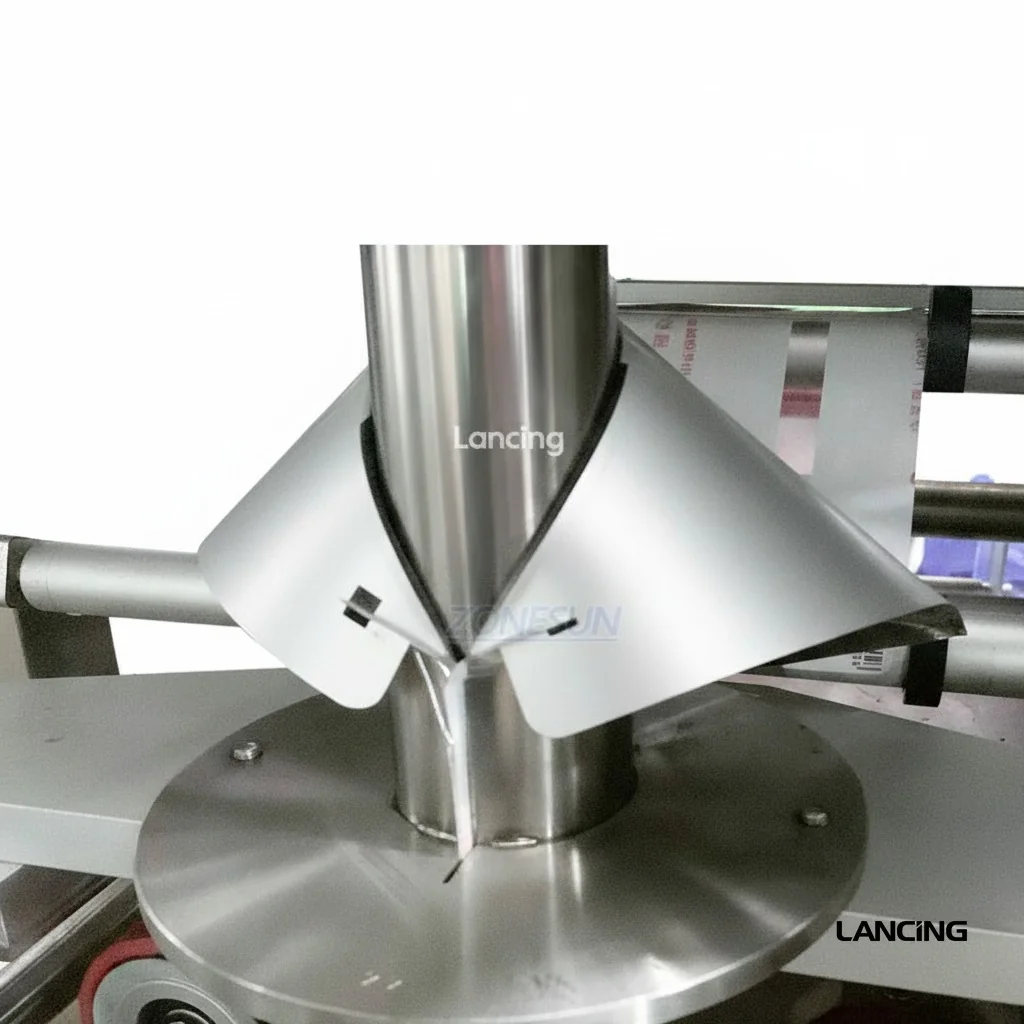
A catalogue range or a successful empty-cycle demonstration cannot prove how a real product will feed, settle, weigh, discharge and enter its final pack. A useful trial uses representative product and production-quality packs, records the operating conditions and measures consecutive results rather than selecting only favourable fills.
Factory acceptance testing should then confirm that the agreed machine and line configuration reproduces the required process under a documented test method. The scope can cover weight results, accepted output, controls, safety functions, changeover, cleaning access and pack quality.
The trial is only as useful as the material and packaging supplied. A clean, uniform sample can hide the fines, moisture, static, broken pieces or flow changes that appear in production.
Provide enough product for tuning, consecutive fills, hopper refill and a sustained run. Include known variation in piece size, fines, density or moisture where it affects flow.
Supply the smallest and largest pack formats, final film or pouch specification, closures and any liner, label or coding area that affects handling.
State routine and extreme fill weights, accepted finished output, tolerance method, product refill method and the upstream or downstream equipment to be represented.
A focused matrix should cover the combinations most likely to expose a limitation. These commonly include the smallest target, the largest target, the highest-volume product, the slowest-flowing batch and the most restrictive pack opening.
| Product condition | Record product identity, batch, temperature where relevant, visible fines, moisture or static behaviour and bulk density when available. |
|---|---|
| Machine condition | Record hopper level, feed settings, recipe, change parts, outlet and any settling or timing delay. |
| Pack condition | Record pack size, tare method, support position, film or seal specification and whether the result is an open dose or a finished pack. |
| Weight sample | Use consecutive net results. Record every fill, intervention, spill, incomplete discharge and reject. |
| Output sample | Use a defined sustained period and count accepted finished packs, not theoretical cycles only. |
| Changeover sample | Repeat first-off verification after cleaning, reassembly, recipe selection or change-part replacement. |
A single “accuracy” value without the sample size, product, target and conditions is not enough to compare two trials.
Lancing can use representative samples, real packs and an agreed acceptance matrix to confirm the most suitable weighing route before final approval.
Enough for setup, the full test matrix, consecutive weight samples, at least one normal hopper refill and a sustained line run. The exact quantity depends on target weight and test duration.
They may help with early feasibility, but final approval should use production-quality packs or film because mouth opening, stiffness, friction, static and seal behaviour can change the process.
The acceptance method should state how rejects are treated, but every result and intervention should remain in the trial record. Excluding poor results without explanation creates a misleading distribution.
No. A useful output test includes normal refill, pack replacement, downstream handling and a long enough period to expose interruptions and drift.
No. Site installation introduces the final utilities, environment, product supply, operators and connected machinery. Site checks should confirm the agreed interfaces and production conditions.
The test should reproduce the difficult but representative production conditions and retain enough evidence for sign-off.
Use a representative production batch and include known normal variation, fines or difficult characteristics that the machine must handle. A specially screened or unusually free-flowing sample can make the result unrepresentative.
Prepare difficult samplesTesting the highest-risk product and pack early can reveal whether the proposed route has a fundamental limitation before time is spent on easier combinations. The final test matrix should still cover the agreed routine operating envelope.
Plan the SKU matrixRetain the test method, product and pack identity, machine configuration, settings, consecutive results, calculations, interruptions, photographs where authorised, deviations, agreed actions and sign-off. This makes the decision reproducible after delivery.
Review the data formatPrepare a format matrix identifying the product, quantity and pack combinations to be demonstrated. Mark which combinations are tested directly and which remain outside the accepted trial scope. Retain sample identities and configuration details with each result.
Close the trial with a record of open points and the evidence required to resolve them. Distinguish an observed result from a proposed later change, and name the person responsible for confirming any revised setup.
Keep the original report, identify the change and agree whether additional evidence is needed. The accepted scope should show which configuration was actually demonstrated.