
The batch average must meet the nominal quantity.
A target set above nominal may help protect the average, but excessive mean bias creates avoidable product giveaway. The required setting depends on process variation and the control method.
General engineering guidance on target setting, checks, records and checkweigher integration when goods are packed by weight in the UK.
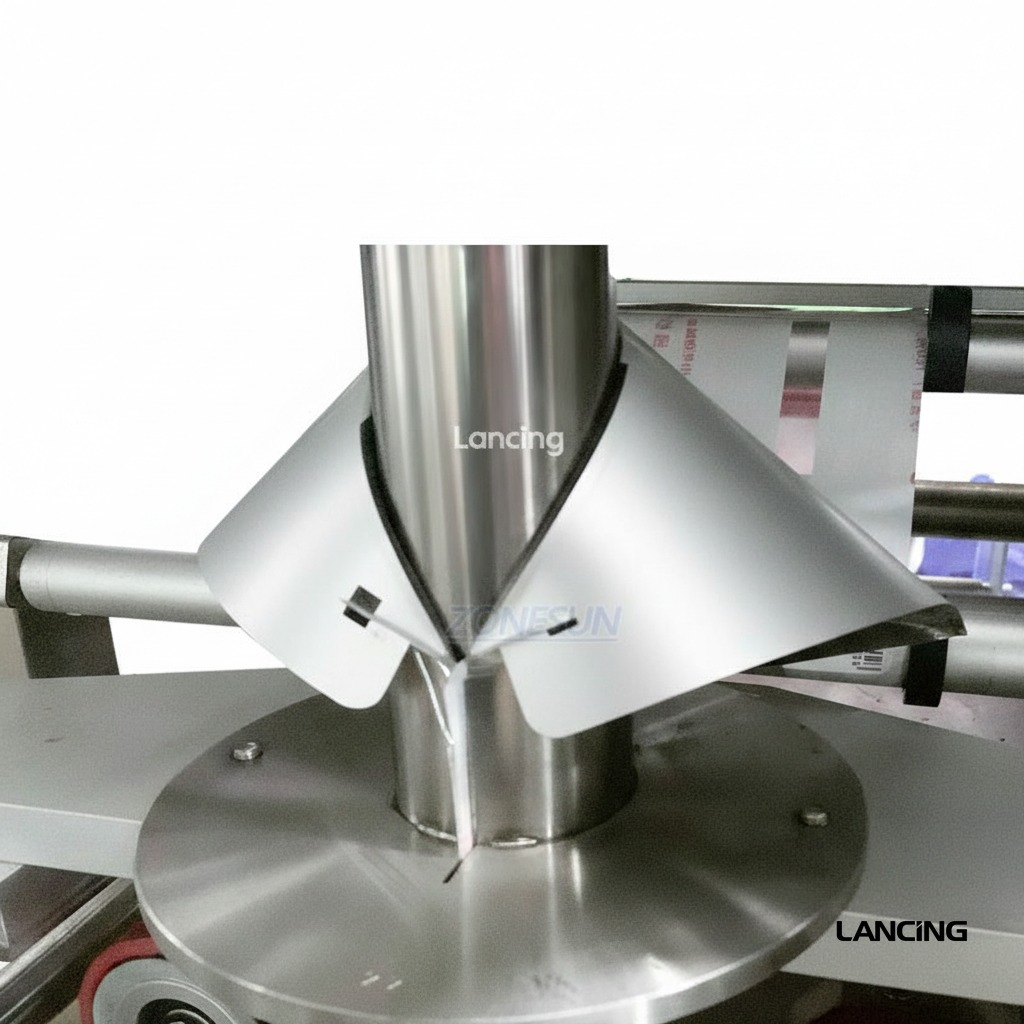
A weigh filler measures or controls the dose placed into a pack, but the complete packaged-goods process also includes tare, product variation, transfer loss, sealing, inspection, sampling, records and corrective action. Machine settings alone do not demonstrate legal conformity.
For UK packaged goods made up to a predetermined constant quantity, the government guidance describes the average-system rules commonly summarised as the three packers' rules. The applicable method and tolerable negative error depend on the product, nominal quantity and regulatory context. The packer should confirm the current requirements and obtain competent legal-metrology advice where necessary.
The UK Government guidance explains three conditions for packages produced under the average system. The wording and applicable tolerable negative error should be checked against the current official source for the nominal quantity concerned.
A target set above nominal may help protect the average, but excessive mean bias creates avoidable product giveaway. The required setting depends on process variation and the control method.
The threshold is linked to nominal quantity. Use the current official table and a documented sampling or checking method rather than a generic percentage.
Individual-pack control and reject handling therefore remain important even where the overall average is satisfactory.
This page provides general machinery and process guidance, not a legal determination for a particular product or packing operation. Requirements can depend on pack type, nominal quantity, marking, sales method and the equipment used for control.
The packer should use the current legislation and official guidance, involve the relevant quality and legal-metrology competence and consult Trading Standards or a specialist adviser where interpretation is uncertain.
The filler target influences the process mean. Product flow, feeder resolution, in-flight material, hopper level and mechanical stability influence variation. Raising the target can protect against low packs but does not correct the root cause of an unstable distribution.
A finished-pack checkweigher can identify individual packs and monitor the running process after transfer and closing. Where feedback is used, it should be associated with the correct pack, delayed for the physical distance through the line and bounded so that isolated variation does not cause an unstable target response.
Before changing the target, review consecutive net weights, mean, sample standard deviation, minimum, maximum, out-of-band packs, reject operation and the tare method. Record the reason and authority for each adjustment.
Lancing can review the target, product, pack, filler, checkweigher and controls interfaces while your quality and legal-metrology advisers confirm the applicable compliance method.
No. The complete distribution, individual low packs, tare, checking system, records and applicable rules must be controlled. A high target can also create unnecessary giveaway.
No. Filler checks assess the dosing system. Finished-pack checks include tare, transfer, closure and any product loss or contamination after discharge.
It can provide valuable individual-pack and trend data, but its suitability, verification, reject controls, records and place in the legal control system must be defined for the operation.
The official UK guidance explains when the e-mark may be used and the responsibilities associated with it. Confirm the current requirements from the government source rather than assuming that a machine feature grants eligibility.
The business packing or importing the goods holds the relevant legal responsibility. Machine supply and process guidance do not transfer that responsibility.
The filling machine helps control the dose, but finished-pack checks and batch records explain how the packer controls quantity in practice.
No. A weigh filler controls the dosing process, but packaged-goods control depends on the finished pack, the measurement system, records and the buyer’s quality procedure. A checkweigher or reference scale may still be required for evidence.
Review legal-metrology recordsTarget weight, sample size, mean, low and high weights, rejected packs, adjustments and reference checks all help distinguish target bias from unstable variation.
Plan batch recordsThe pack can lose or gain apparent weight through spillage, sealing, vibration, closure or reject handling after dosing. Finished-pack checks test the result the buyer actually sells.
Plan checkweigher integration