
Machine route
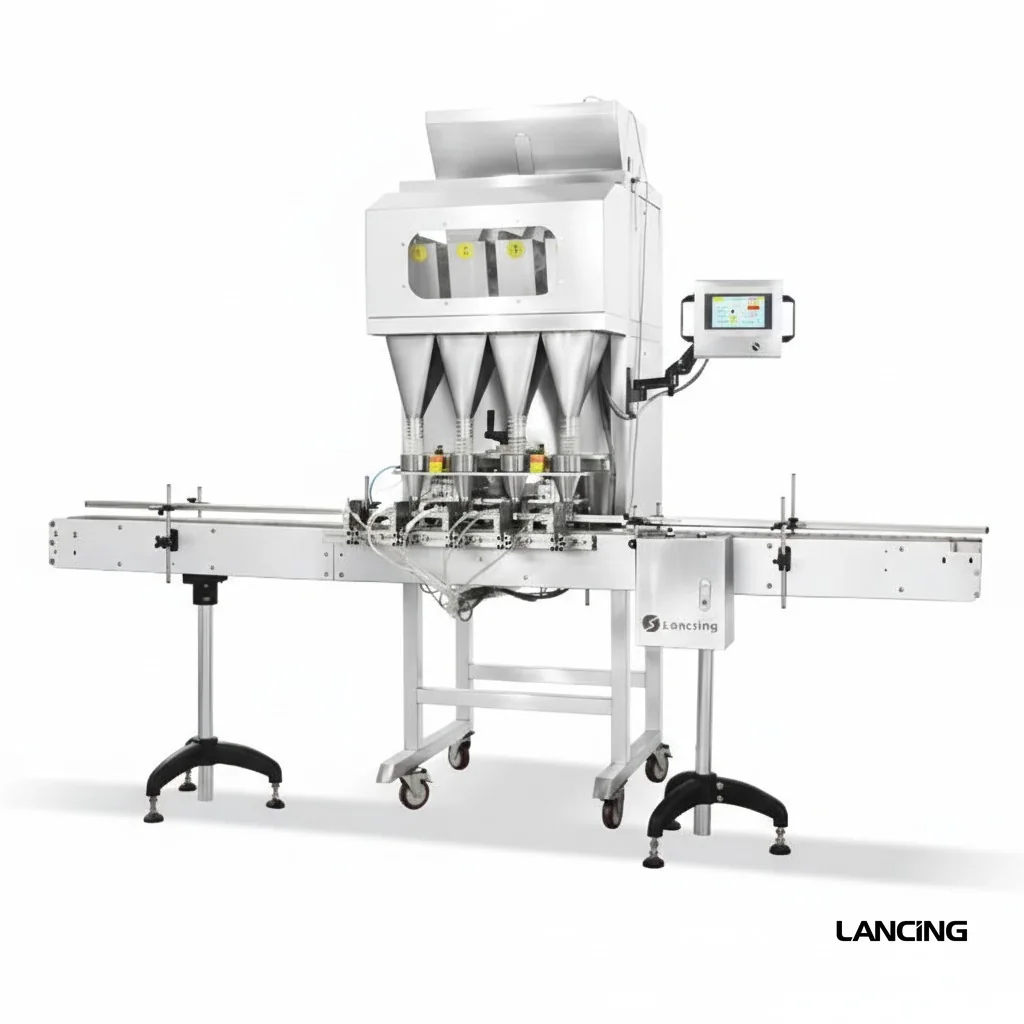
Linear weigh fillers
For free-flowing granules, beans, seeds and small parts.
View route →Compare practical semi-automatic weighing and dosing routes for lower-volume, flexible or operator-loaded production.
Semi-automatic weigh fillers are often chosen when production needs controlled filling without the cost or footprint of a fully automated line. The operator may present the bag, pouch, jar or tub while the machine controls the dose.
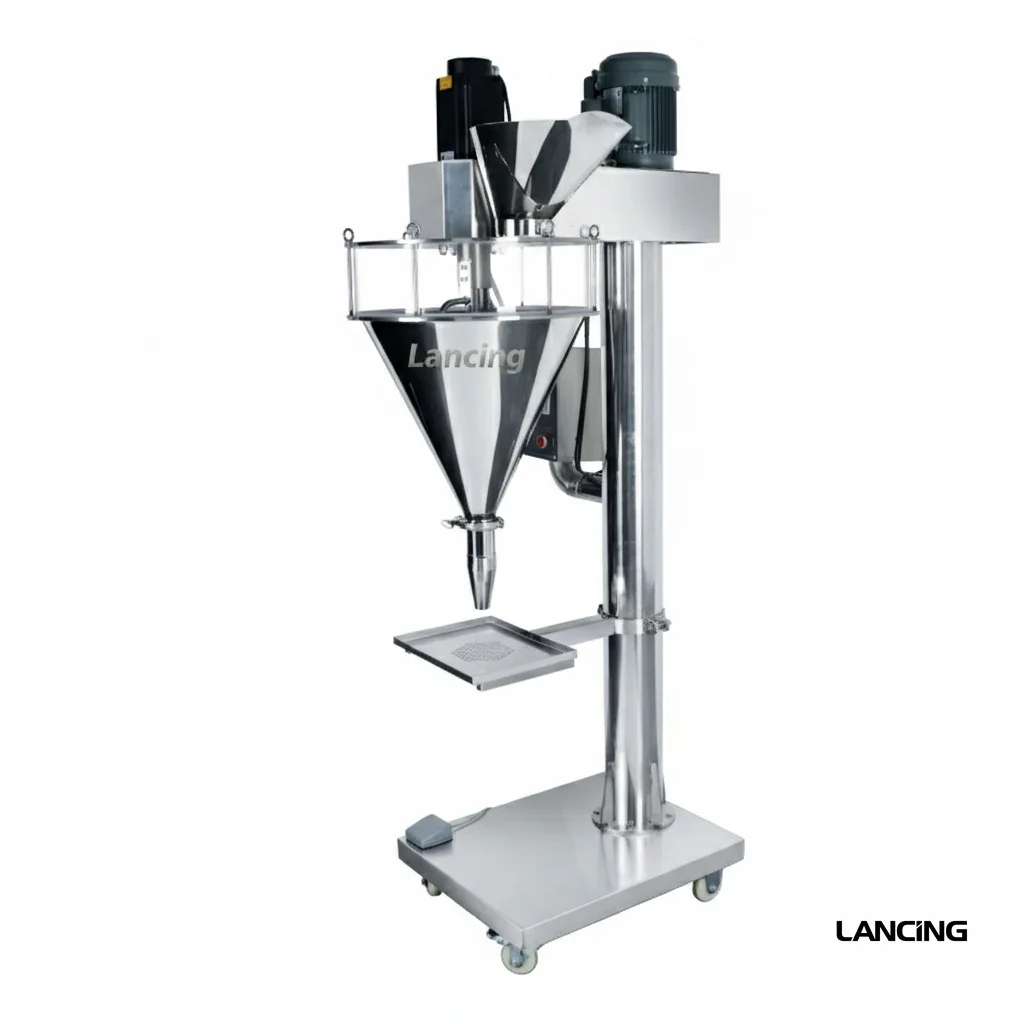
The best route depends on product flow, target fill weight, tolerance, pack mouth size and how the operator loads and removes packs. For powders, an auger filler may be compared; for free-flowing granules, a linear weigh filler is often a useful starting point.
Use these routes to narrow the best machine type before you send product and pack details.
For free-flowing granules, beans, seeds and small parts.
View route →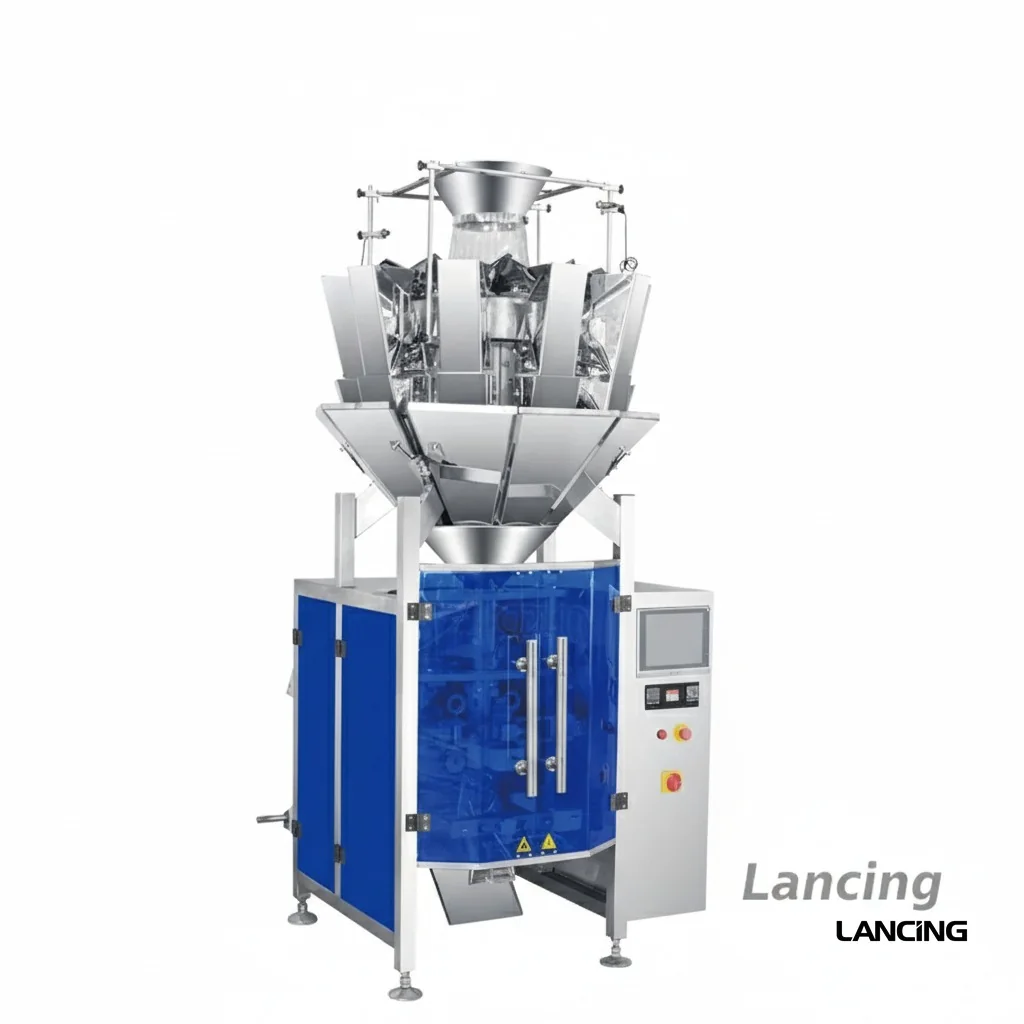
| Factor | Why it matters | Useful enquiry detail |
|---|---|---|
| Best suited to | Lower to medium output where an operator presents the pack. | Send target packs per minute and number of operators. |
| Typical products | Seeds, granules, coffee, powders, additives and small parts. | Send product behaviour and target fill weight. |
| Next steps | May later connect to conveyors, sealing or labelling. | Mention any planned automation upgrade. |
Short answers for production teams comparing weigh filling routes.
Semi-automatic is often sensible when volumes are lower, products change often or operators will continue presenting packs by hand.
Yes. Accuracy depends on the dosing route, product behaviour, target weight and machine setup rather than automation level alone.
Product type, fill weight, pack mouth size, tolerance, target output and operator workflow are the most useful starting points.
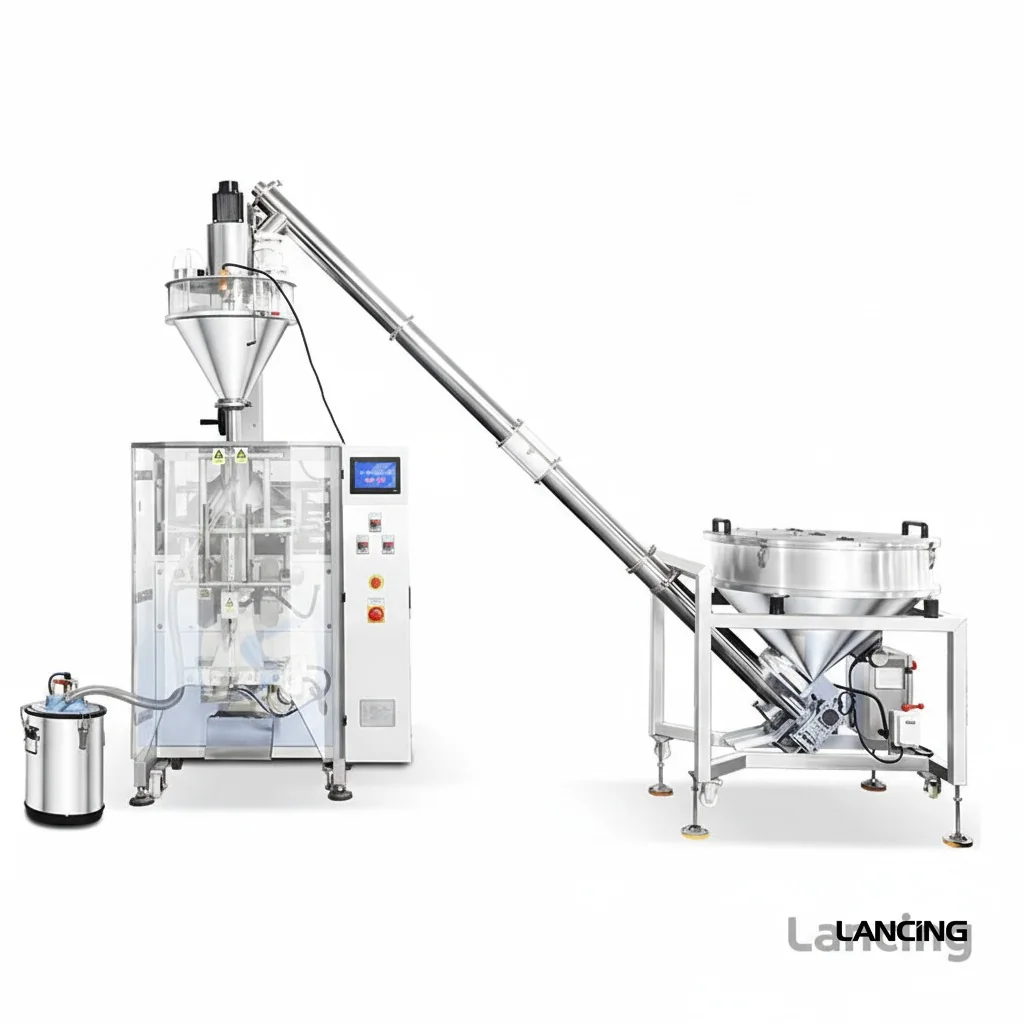
That gives Lancing enough information to compare a linear weigher, multihead weigher, auger filler or integrated bagging line.
A semi-automatic weigh filling machine can control the dose accurately while an operator presents and removes each pack. The practical output therefore depends on product feed, weighing time, discharge, pouch handling and transfer to the next operation.
| Reference route | Verified supplied basis | What the published figures do not prove | Evidence required before approval |
|---|---|---|---|
| Lancing LU-3000C | Compact vibratory feed with electronic weight control, a nominal 20–3000 g range and operator-initiated foot-pedal discharge into a manually presented pouch. A supplied quotation used an approximate 6–15 fills/minute reference. | The figure is not finished-pack output and does not establish tolerance for every product or target. Low-density material, hopper volume, the pouch mouth and operator transfer can govern the cycle. | Representative product and pouches, smallest and largest target weights, consecutive net weights, refill behaviour and a sustained operator trial. |
| Lancing LU-DL5000D | Dual vibratory feed and weighing channels discharge through a common outlet. The supplied specification states a 100–10,000 g range, two approximately 25 L hoppers and an approximate 20–30 bags/minute reference. | Two channels do not automatically double finished-pack output. The supplier reference accuracy of approximately 2–6 g remains product-, target-, setup- and trial-dependent. | Channel balance, pack positioning, common-outlet clearance, product loss, operator rhythm, actual tolerance and downstream sealing time. |
A single path can be proportionate for lower-volume flexible production. A dual-head route can prepare doses more quickly, but only a representative trial can show whether product flow, the common outlet and operator handling convert that potential into higher accepted-pack output.
Not unless the test basis explicitly says so. Filler cycle rate, operator-presented pouch rate and finished sealed-pack output should be recorded separately.
The quantity depends on product, weight range and acceptance plan. One supplied LU-3000C project requested 10–15 kg of representative product and 25–50 pouches of each size; Lancing confirms the requirement for each project.
Often yes, provided discharge height, controls, guarding and pack transfer are considered from the start. Future integration may include a conveyor, sealer, checkweigher or a different automatic pack-handling system.
Use the model pages to check reference weight ranges, product boundaries, operator duties and the evidence required before output or tolerance is accepted.
Verified 10–999 g reference for suitable free-flowing dry products and operator-presented packs.
Review the LU-999Verified 20–3000 g reference with the operator presenting and removing each pack.
Review the LU-3000CVerified 100 g–10 kg reference with twin hoppers and a common discharge.
Review the LU-DL5000D