
Machine route
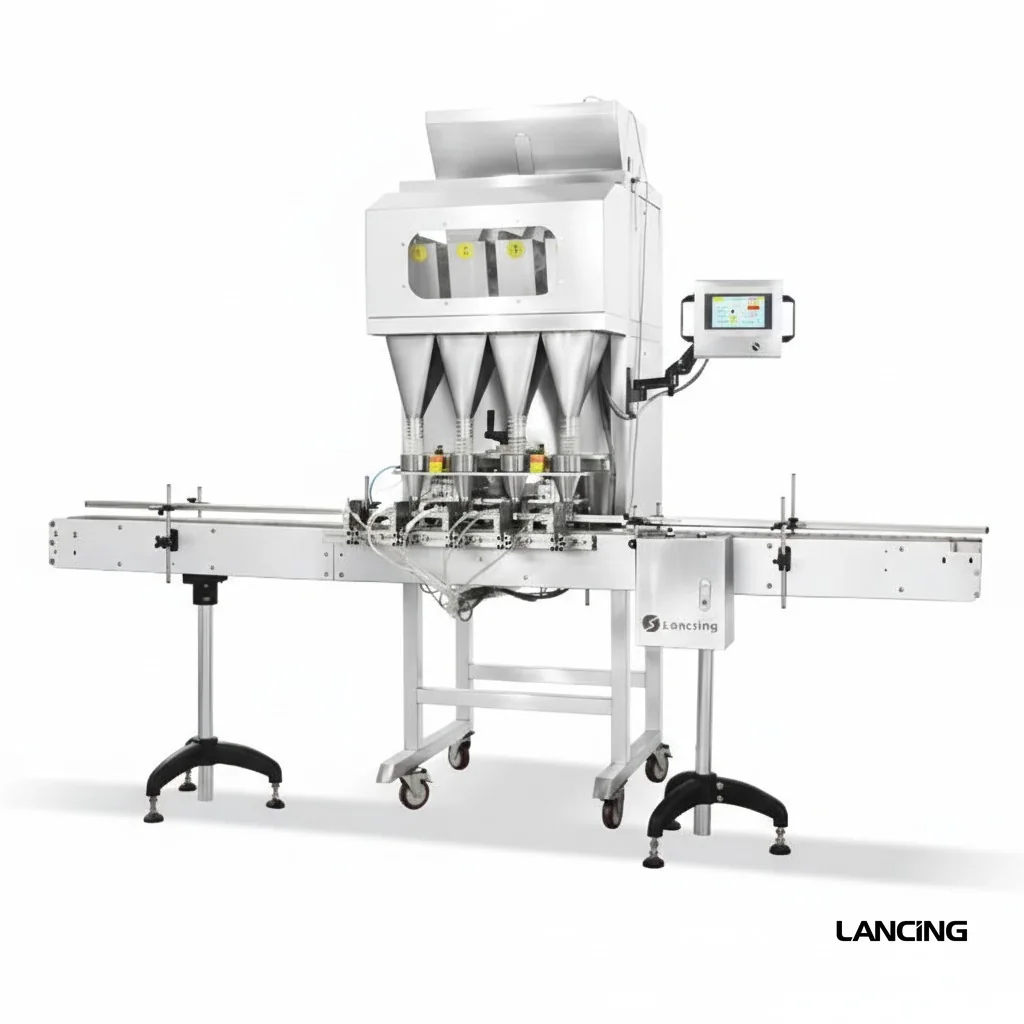
Linear weigh fillers
For free-flowing granules, beans, seeds and small parts.
View route →Compare auger filling, powder dosing, dust handling and bag or pouch filling routes before selecting a machine.
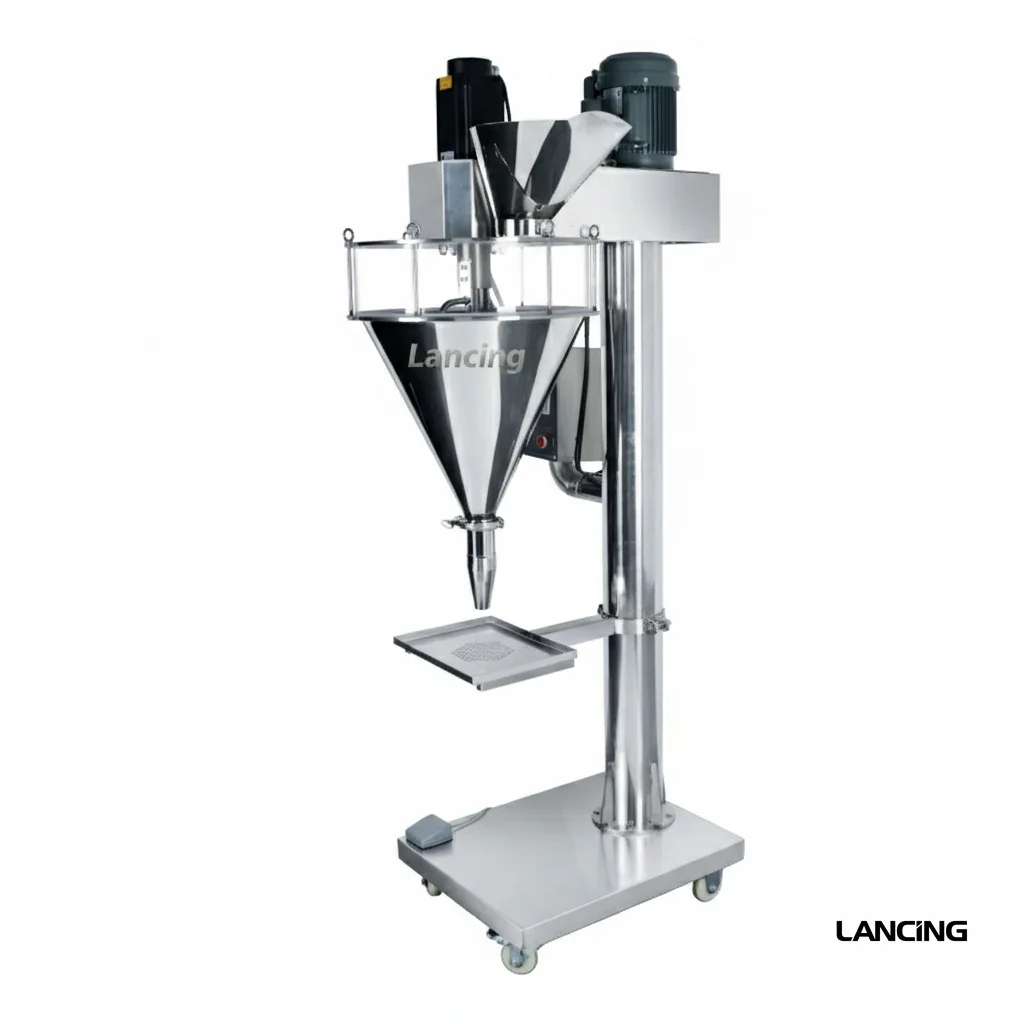
Powders need careful review because dust, aeration, bridging, bulk density and product settling can all affect the filling route. A powder that looks simple in a sample can behave differently in a hopper, screw feed or bag filling station.
Lancing compares auger fillers, powder weigh filling machines and integrated bagging routes by looking at the powder, target fill weight, tolerance, pack opening, cleanliness and required output.
Use these routes to narrow the best machine type before you send product and pack details.
For free-flowing granules, beans, seeds and small parts.
View route →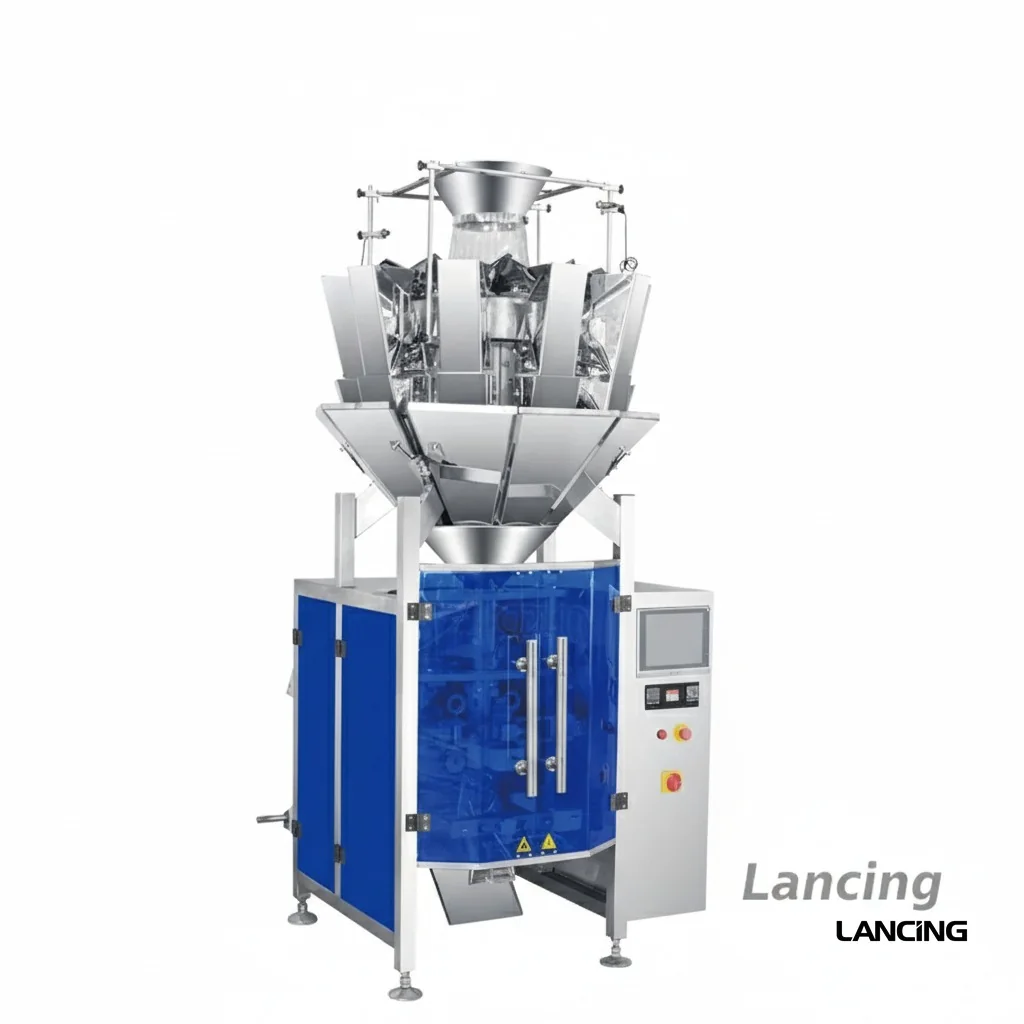
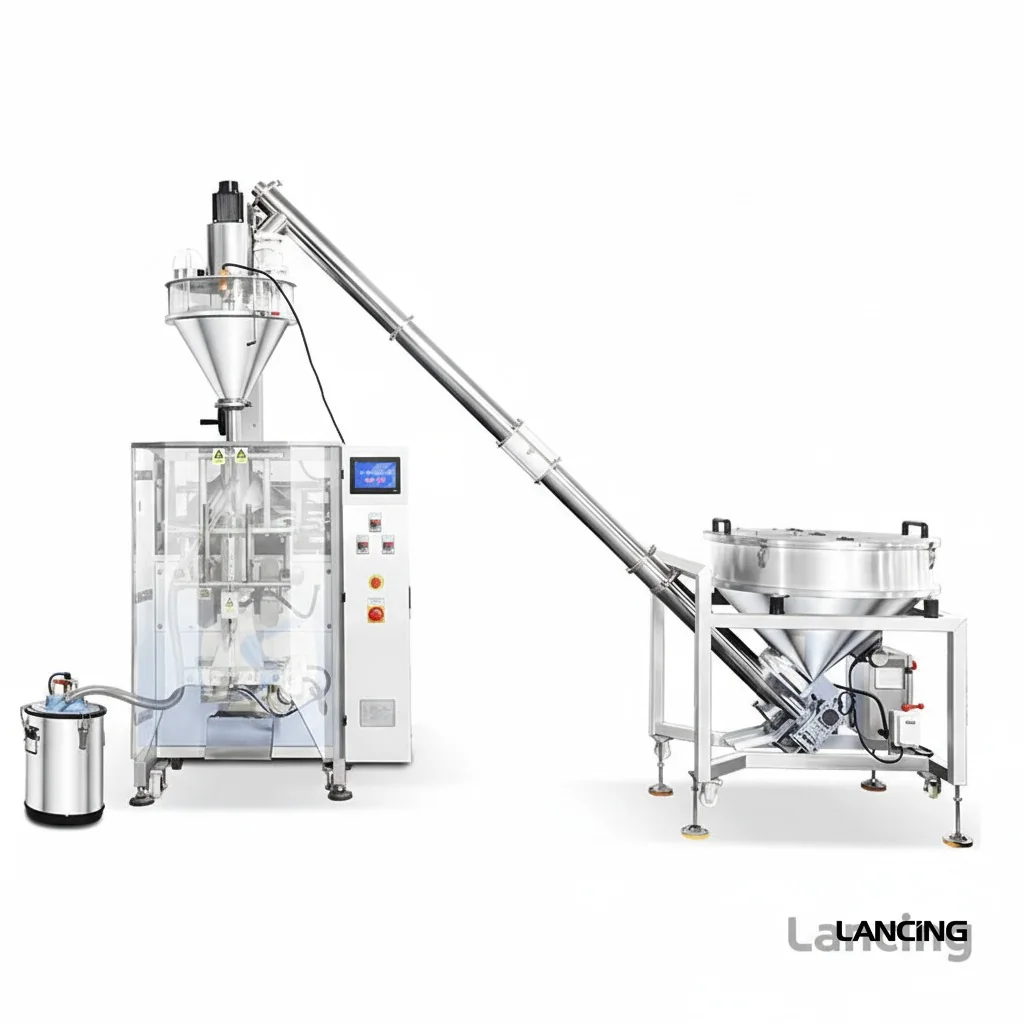
| Factor | Why it matters | Useful enquiry detail |
|---|---|---|
| Best suited to | Fine powders, dry mixes, ingredients, additives and blended products. | Send product sample details, dust level and fill range. |
| Machine route | Auger filling is commonly reviewed first, with weighing or checkweighing considered where needed. | Send accuracy expectation and pack format. |
| Line options | Manual, semi-automatic or automatic bagging and pouch lines. | Send desired output and sealing method. |
Short answers for production teams comparing weigh filling routes.
Not always, but auger filling is commonly the first route to compare for fine powders and dry blends.
Yes. The pack opening, dust control, sealing method and settling behaviour need to be reviewed together.
Dust, variable bulk density, aeration, bridging and product settling can all affect dosing consistency and line speed.
That gives Lancing enough information to compare a linear weigher, multihead weigher, auger filler or integrated bagging line.