
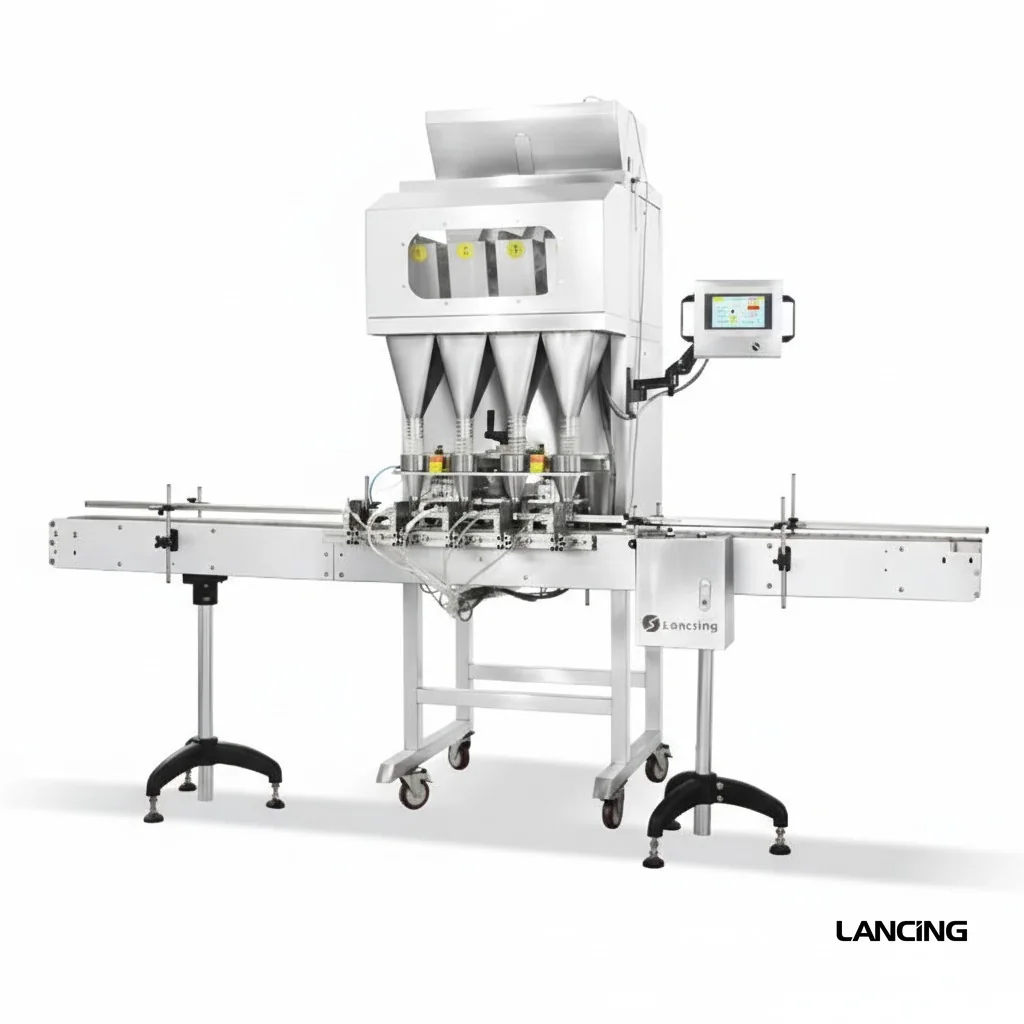
Machine route
Linear weigh fillers
For free-flowing granules, beans, seeds and small parts.
View route →Plan weigh filling, verification, rejection, coding and downstream handling as part of one line route.
A weigh filler controls the dose going into the pack, while a checkweigher can verify finished pack weight after filling and sealing. The two functions are different and should be planned around tolerance, speed and quality control requirements.
For some products, the filling machine can be set to reduce giveaway. For others, finished-pack checkweighing, rejection and data capture may also be required for production control.
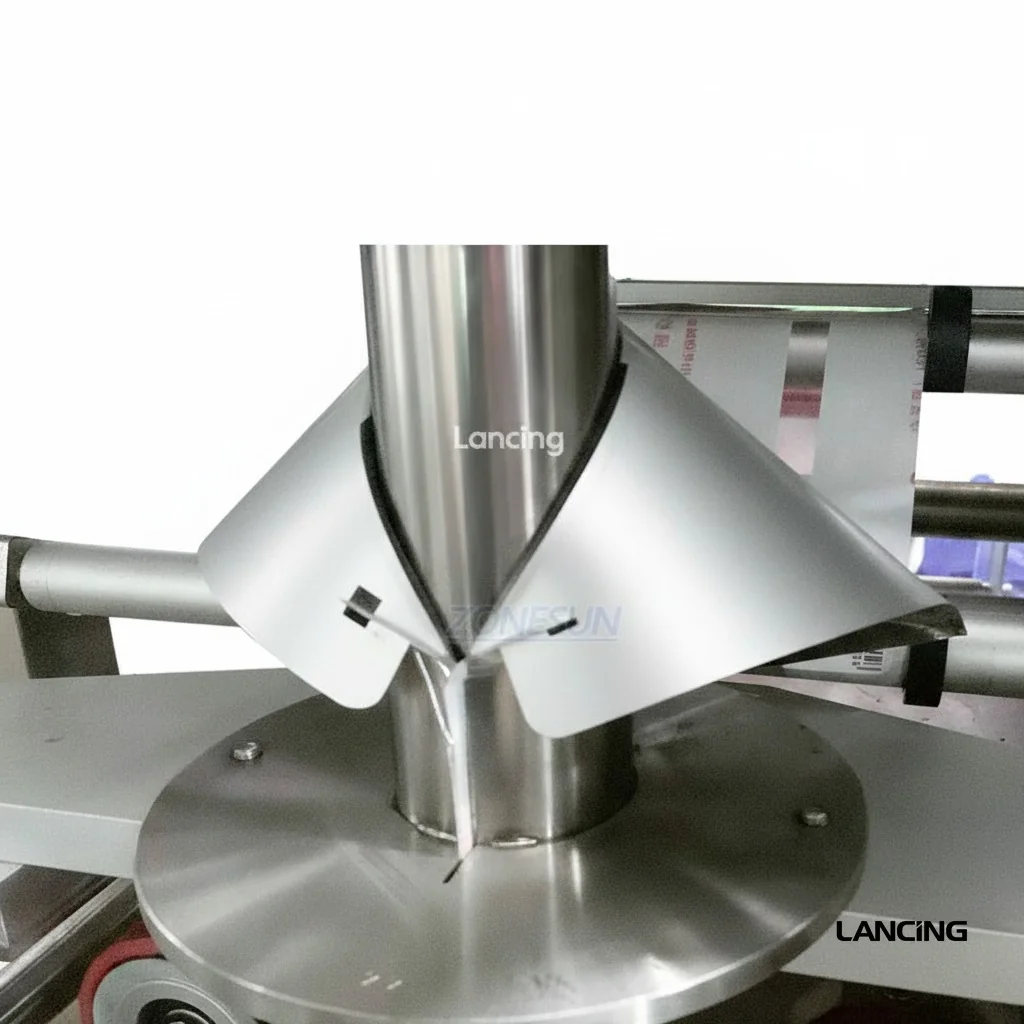
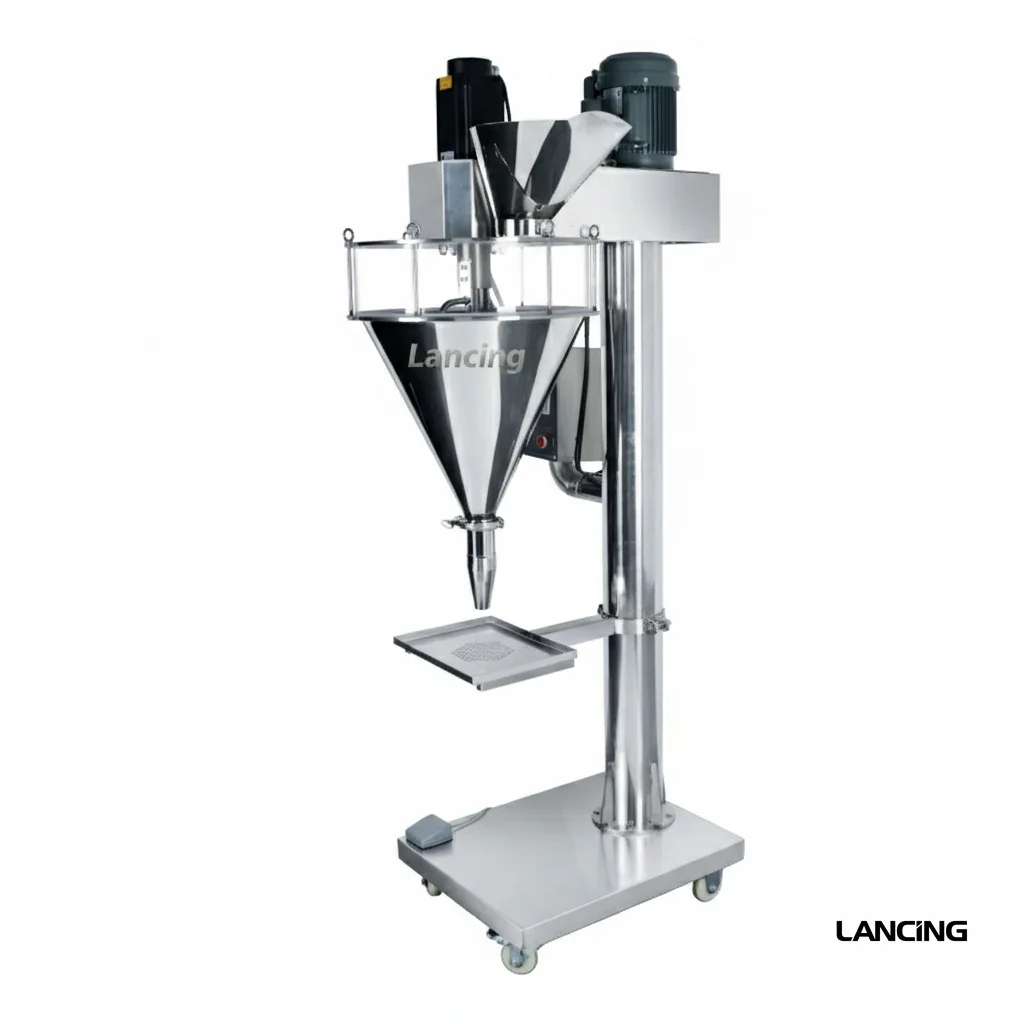
Use these routes to narrow the best machine type before you send product and pack details.
For free-flowing granules, beans, seeds and small parts.
View route →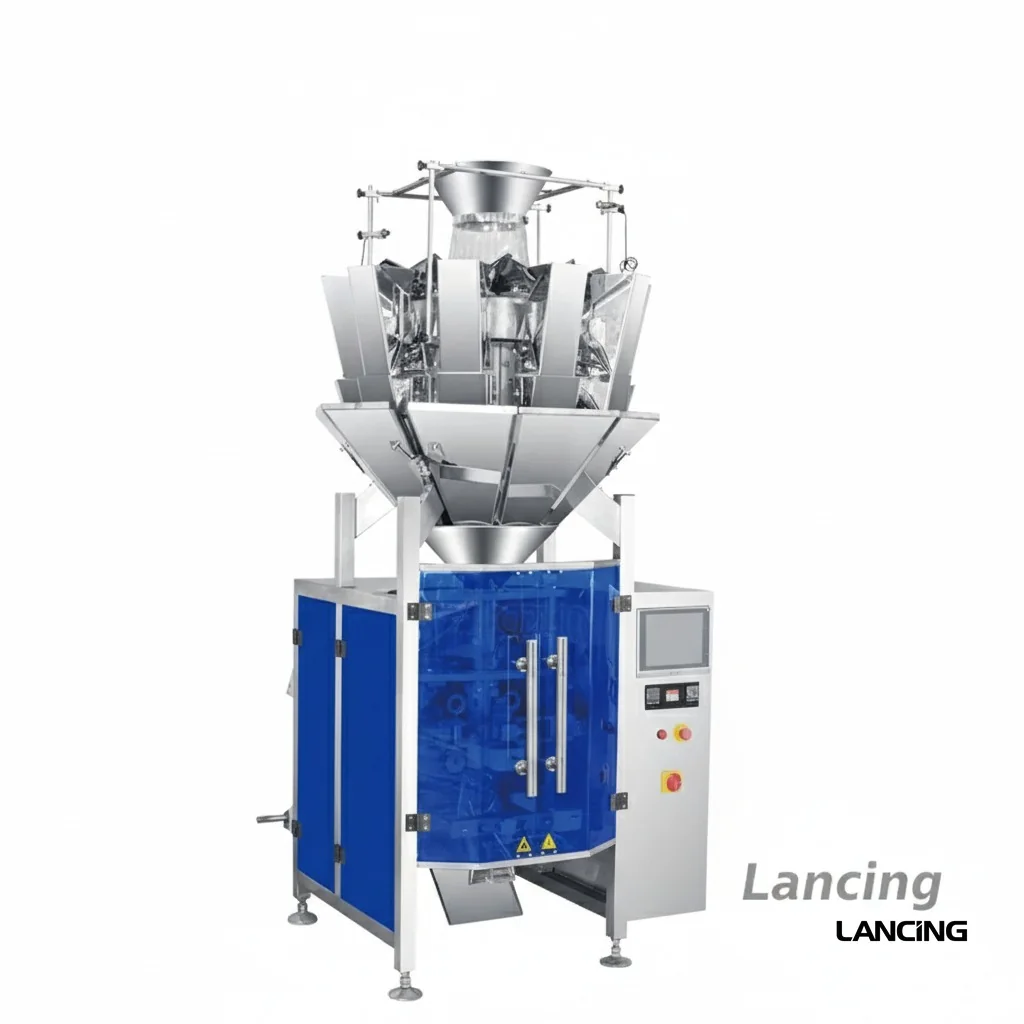
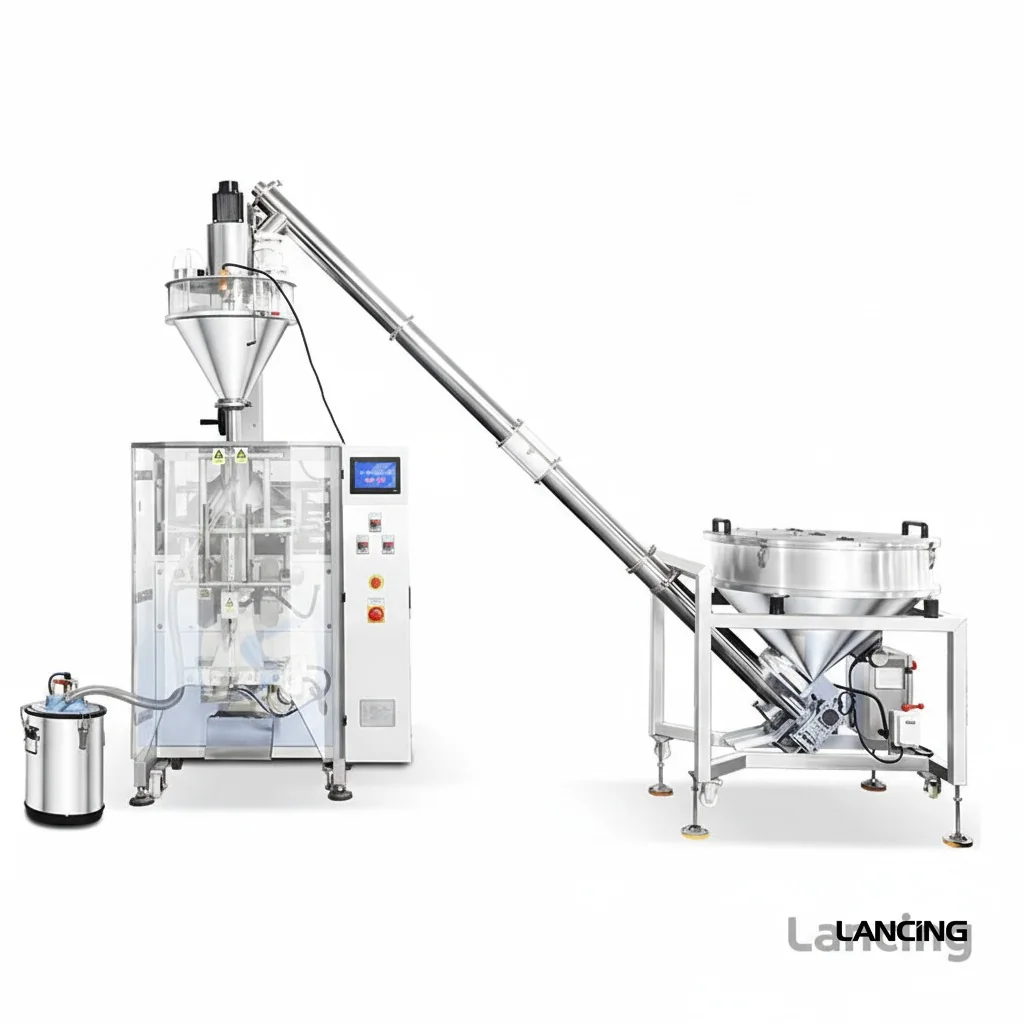
| Factor | Why it matters | Useful enquiry detail |
|---|---|---|
| Purpose | Improve control over filling accuracy and finished pack verification. | Send tolerance, target weight and pack format. |
| Machine route | Weigh filler plus optional checkweigher and reject system. | Send line speed and quality-control requirement. |
| Integration | Conveyors, coding, sealing and labelling may need coordination. | Send site layout and existing equipment details. |
Short answers for production teams comparing weigh filling routes.
No. The weigh filler doses product into the pack; a checkweigher usually verifies the finished pack weight afterwards.
Not always. It depends on the product, tolerance, production control requirements and finished pack process.
Sometimes. Space, conveyor height, speed and reject handling should be considered if a future checkweigher is likely.
That gives Lancing enough information to compare a linear weigher, multihead weigher, auger filler or integrated bagging line.