
Machine route
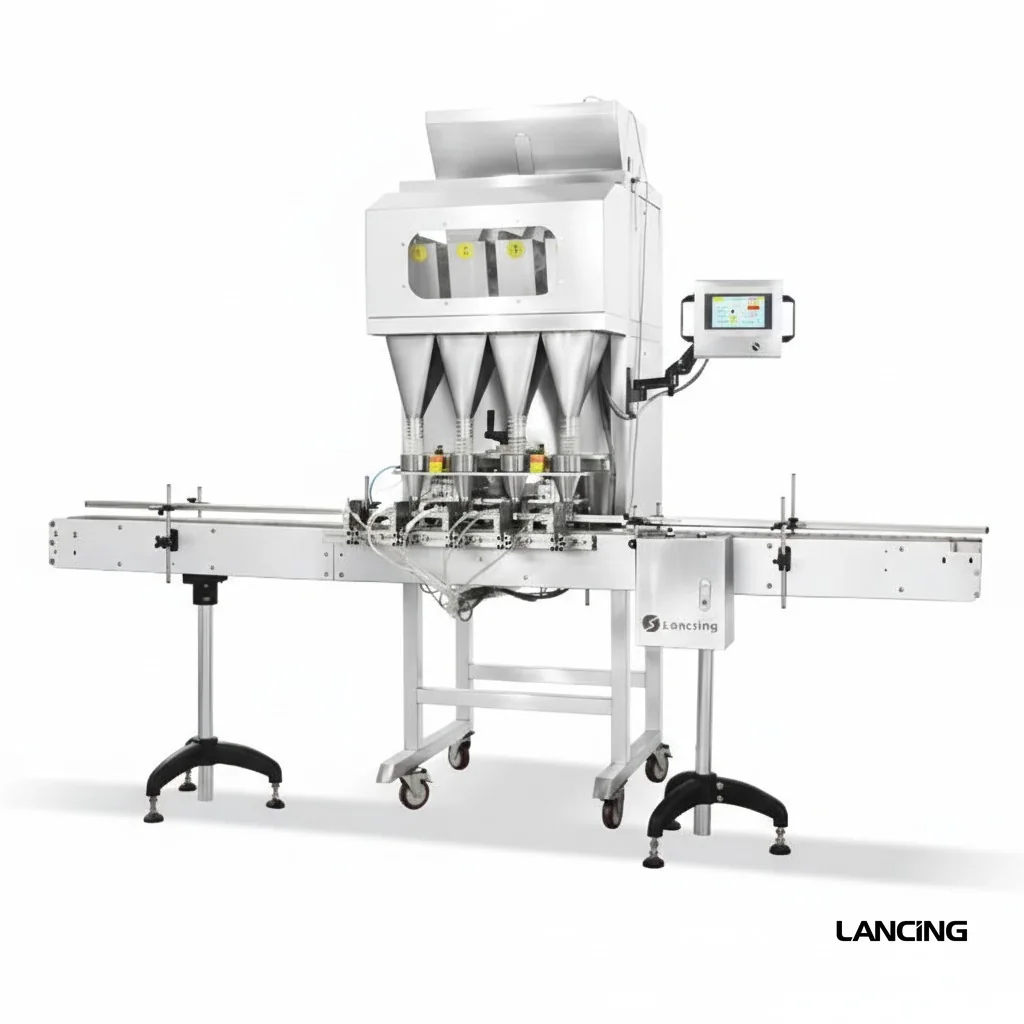
Linear weigh fillers
For free-flowing granules, beans, seeds and small parts.
View route →Compare automatic weigh filling routes for powders, granules, snacks, pet food, coffee, seeds and small components.
Automatic weigh fillers are usually considered when repeatable output, reduced manual handling and connected packaging are more important than a simple bench-top process. Lancing compares the product, target weight, pack format, production speed and downstream equipment before recommending a machine route.
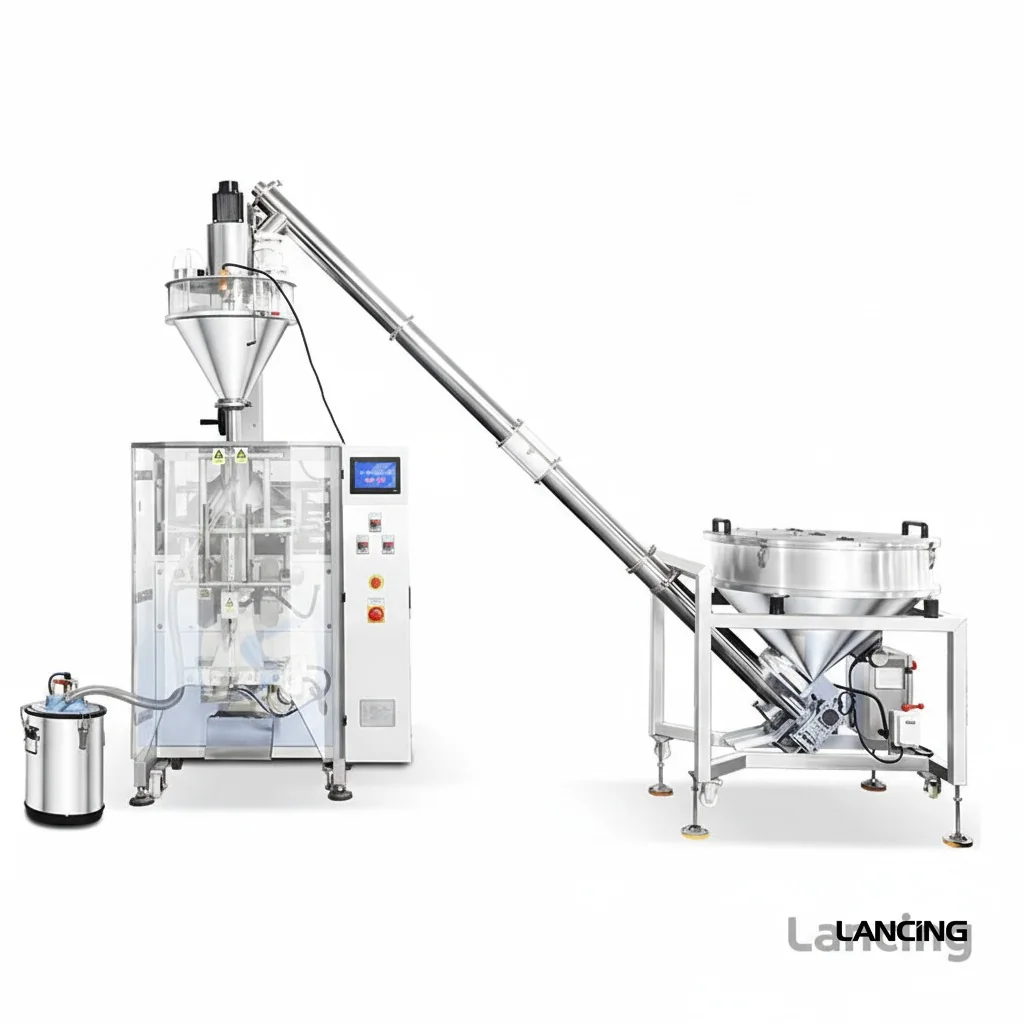
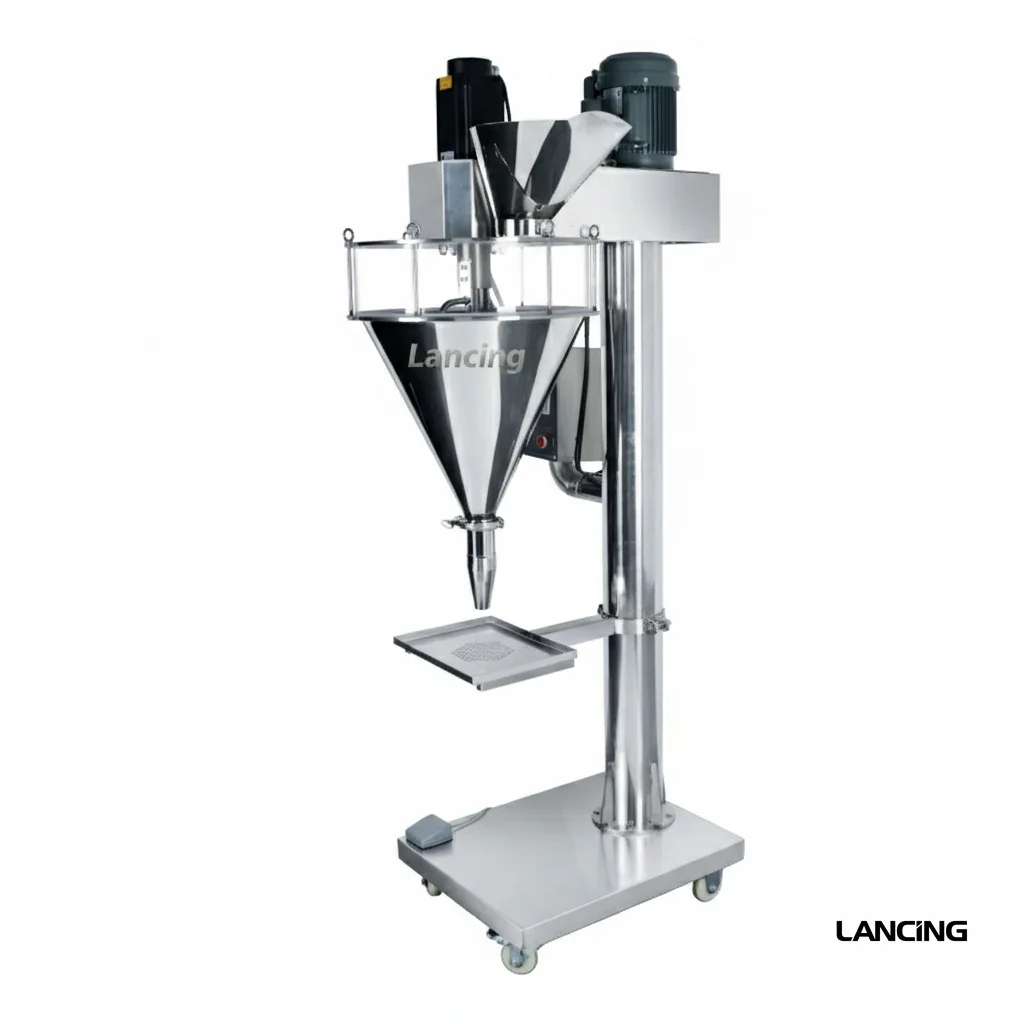
A practical automatic route might use a linear weigh filler for free-flowing products, a multihead combination weigher for higher-speed portions, an auger filler for powders or a VFFS bagging line where the machine also forms and seals the pack.
Use these routes to narrow the best machine type before you send product and pack details.
For free-flowing granules, beans, seeds and small parts.
View route →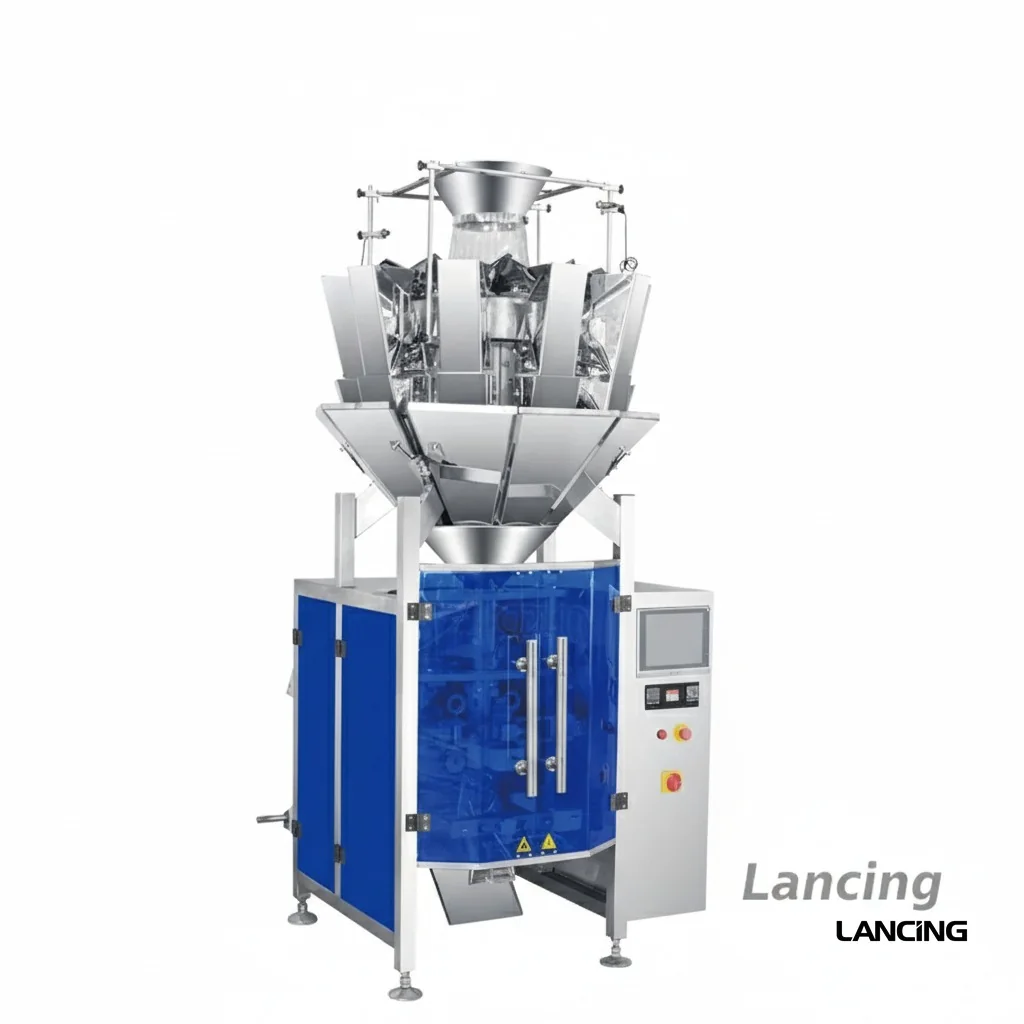
| Factor | Why it matters | Useful enquiry detail |
|---|---|---|
| Best suited to | Repeating production runs where speed, consistency and operator workflow matter. | Send target output, target weight range and current packing method. |
| Machine routes | Linear, multihead, auger or VFFS depending on product and pack. | Send product sample details, dust level and pack format. |
| Integration | Automatic lines often need conveyors, sealing, coding and inspection equipment. | Send photos or layout information if there is an existing line. |
Short answers for production teams comparing weigh filling routes.
An automatic weigh filler doses product to a target weight and transfers it into the next pack or machine with reduced operator handling.
Powders can be automated, but auger dosing, dust control, agitation and settling behaviour need to be checked early.
Lancing can help compare filling, bagging, sealing, capping, labelling and line-integration requirements for a complete route.
That gives Lancing enough information to compare a linear weigher, multihead weigher, auger filler or integrated bagging line.