
Linear weigh fillers
Good for moderate outputs, multiple products and controlled dry product dosing.
View routeMove filled packs from filling to sealing, capping, labelling, checking or collection.
Conveyors after a weigh filler must support the pack without disturbing product or causing spills. The conveyor route depends on pack format, fill height, closure method and inspection needs.
A good conveyor layout allows enough space for sealing, capping, coding, labelling, checkweighing or manual collection. It should also support maintenance and cleaning access.
Planning this early helps avoid a filler that works well in isolation but is awkward to integrate into the wider packing process.
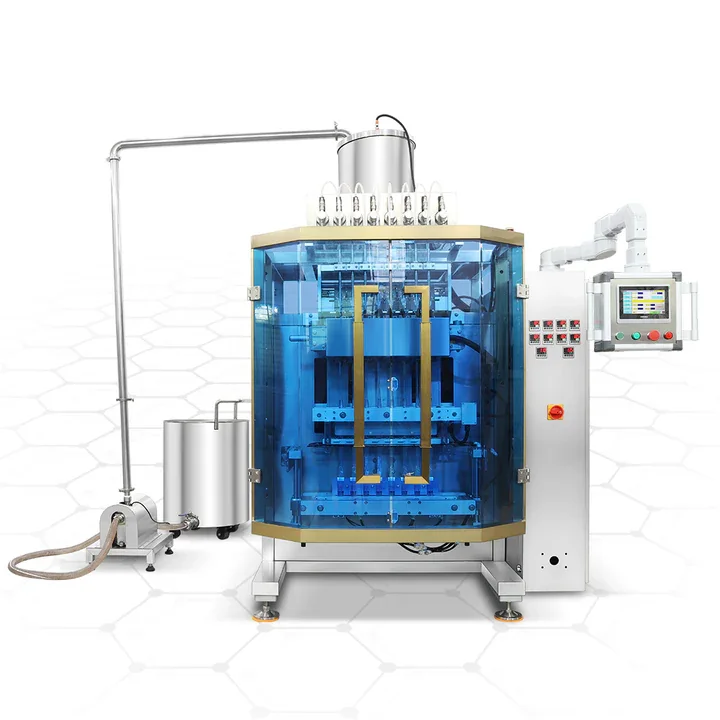
Conveyors should be sized and positioned around the complete filled-pack route.
Good for moderate outputs, multiple products and controlled dry product dosing.
View routeUseful where speed, accuracy and product combination are central to the project.
View routeOften compared for powders, fine ingredients and products that need screw dosing.
View routeFor automatic bag forming, weighing, filling and sealing from film reels.
View routeThese pages help narrow the specification by product, pack format and machine type.
Short answers for production teams comparing dry-product weighing and filling routes.
Useful details include the product name, bulk density if known, target fill weight, acceptable tolerance, pack format, output per minute or hour and whether the line must connect to feeding, sealing, capping, labelling or checkweighing equipment.
Linear weighers, multihead weighers and auger fillers may all be considered depending on product flow, dose size and output target.
Yes. Many projects involve product feed, weighing, filling, pack handling, sealing or closing and downstream checking. Sending the full pack route helps avoid choosing a filler that later becomes difficult to integrate.
Lancing can advise whether a linear weigher, multihead weigher, auger filler, VFFS line or integrated route is the practical starting point.